Boîte de nuit
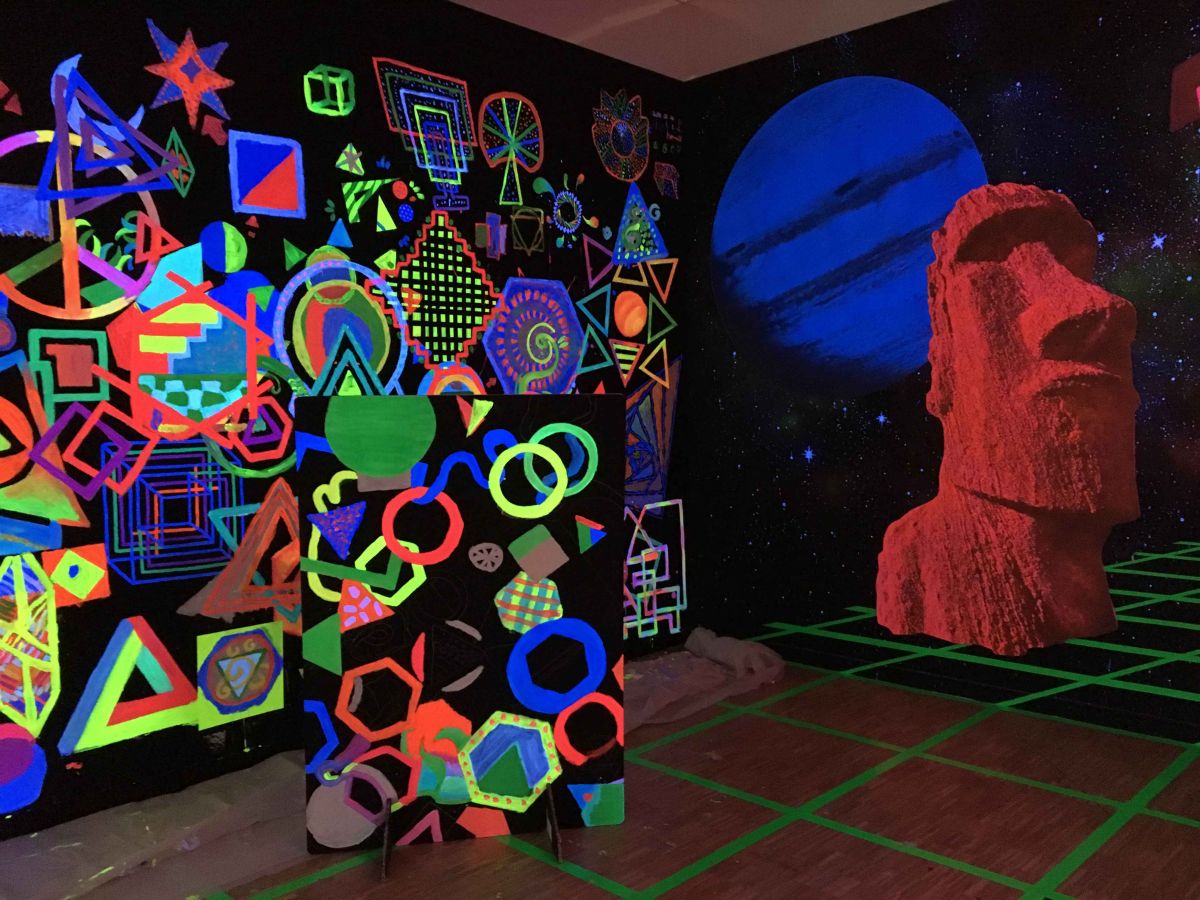
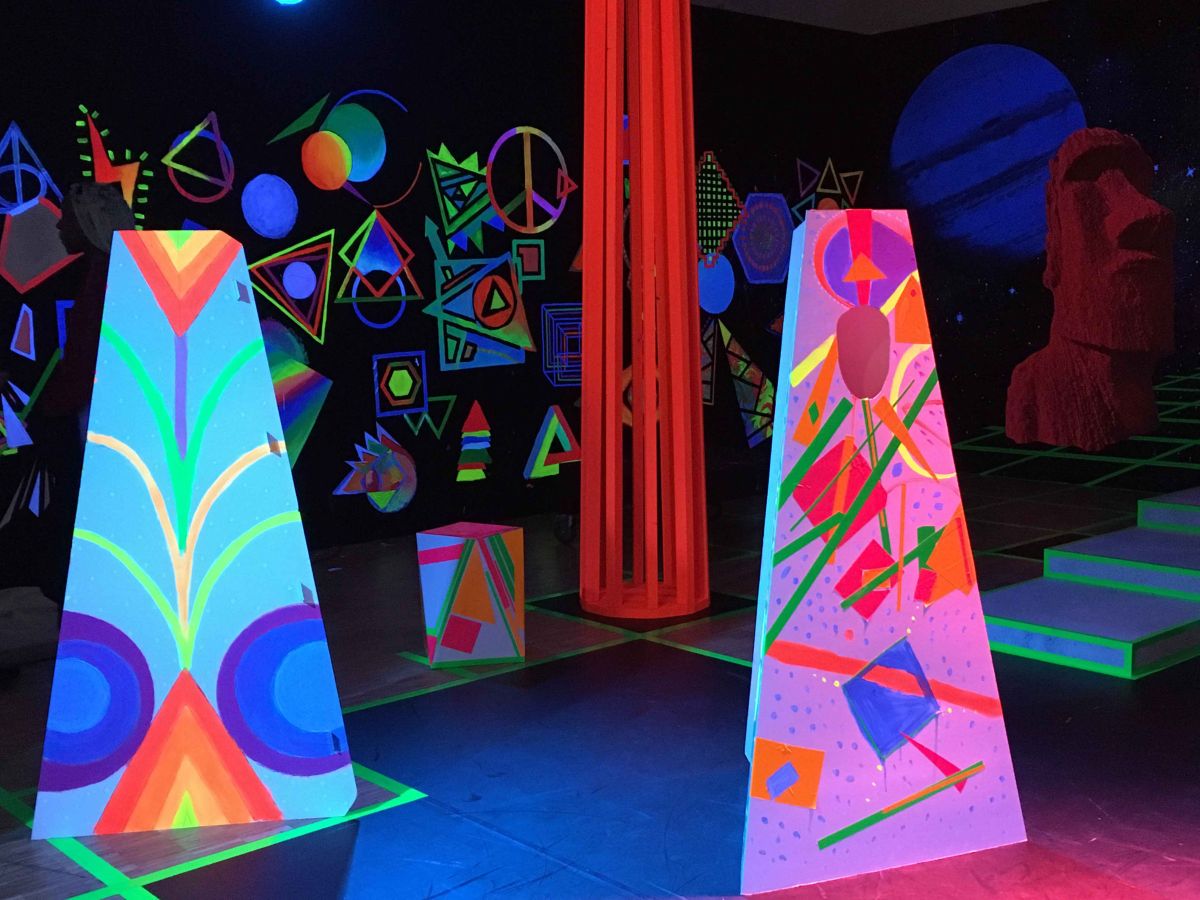
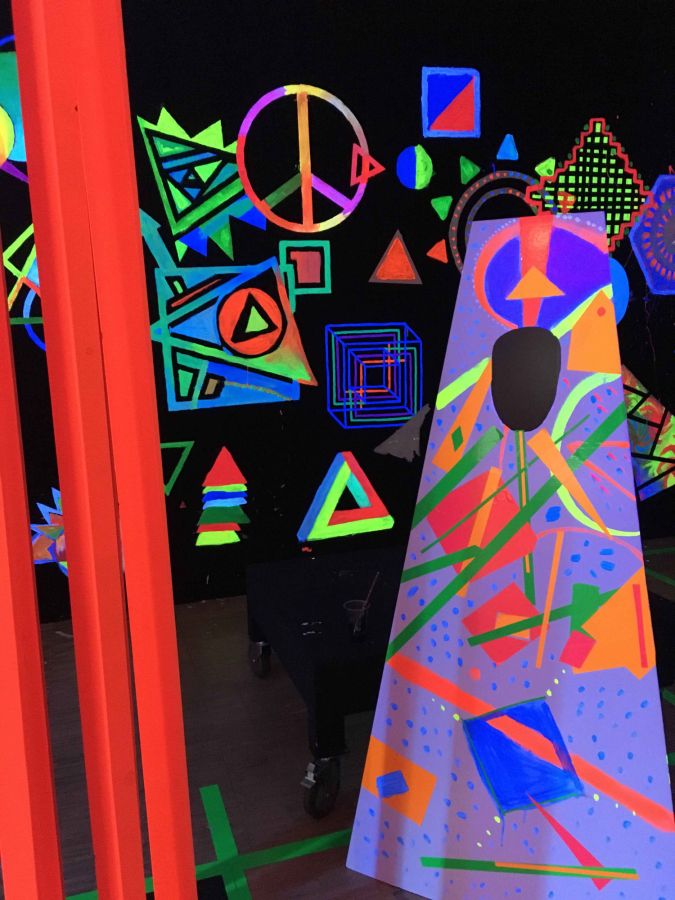
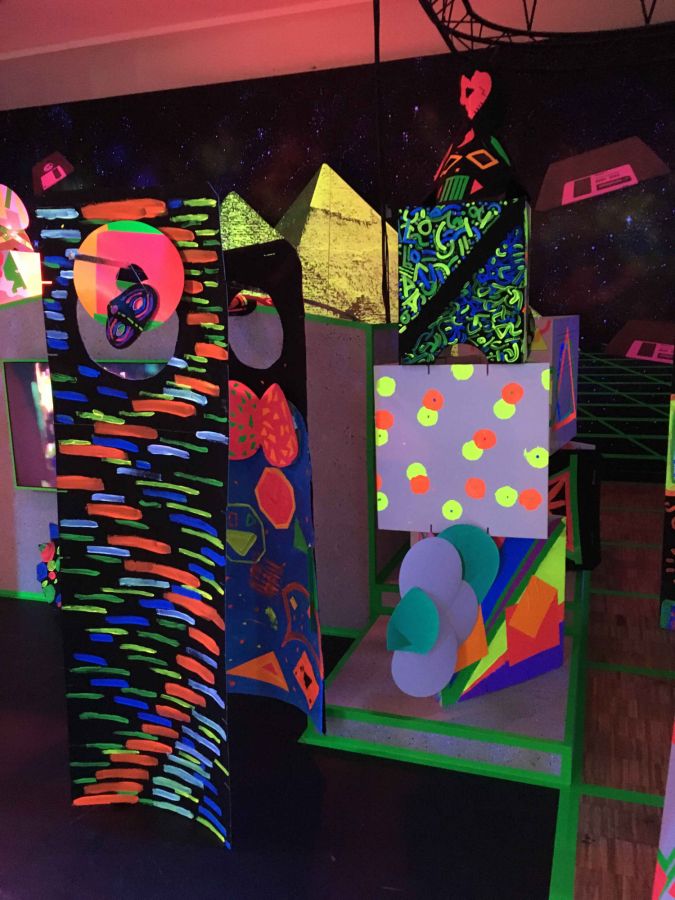
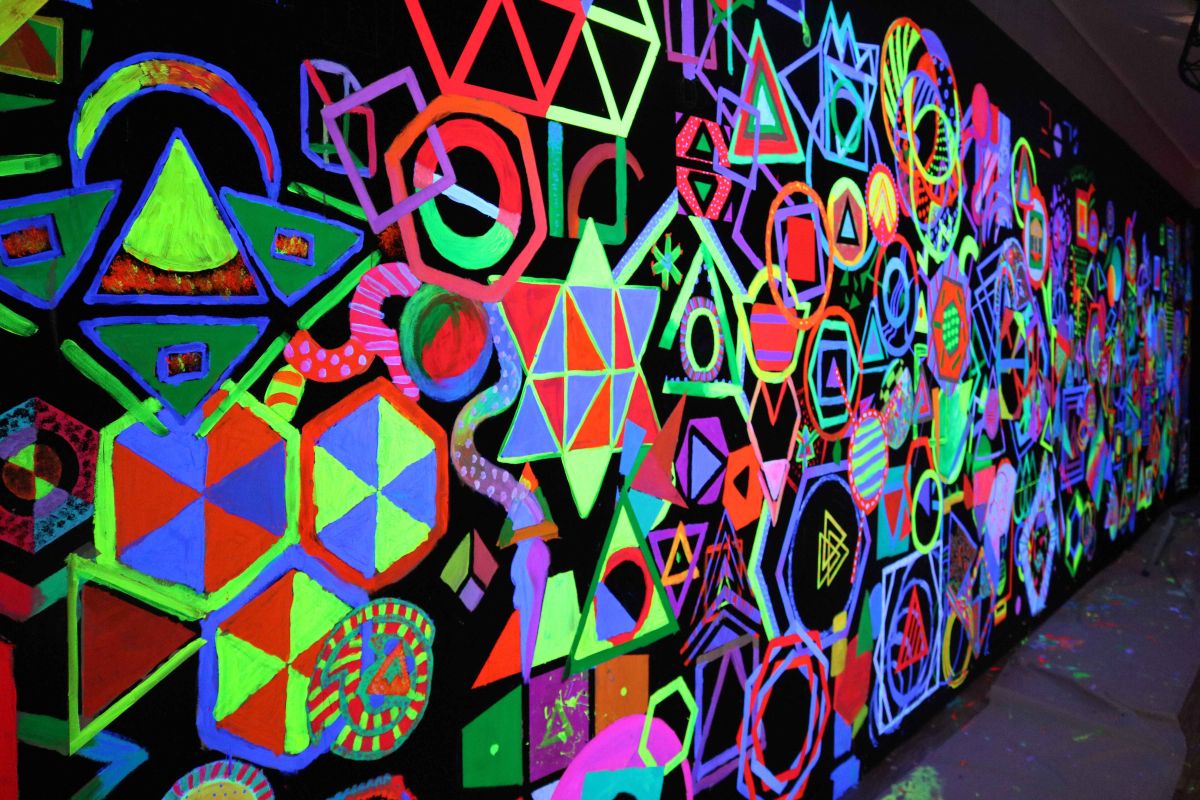
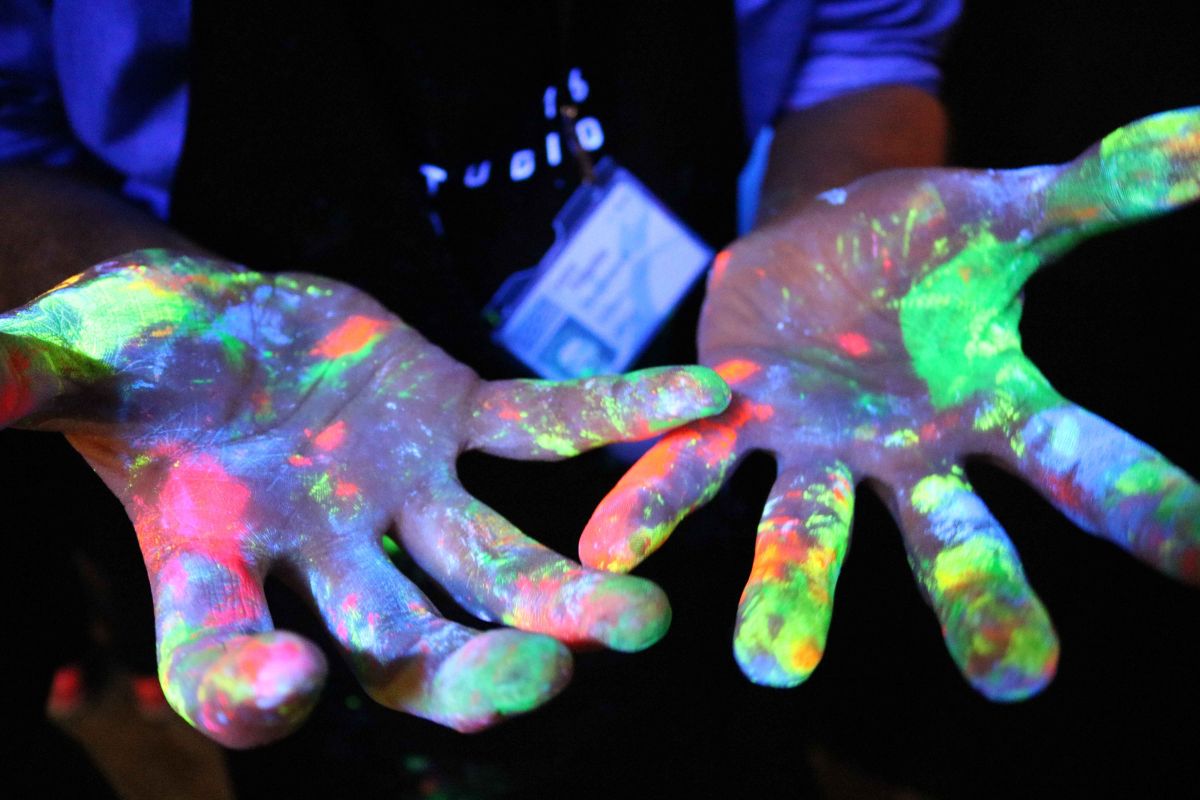
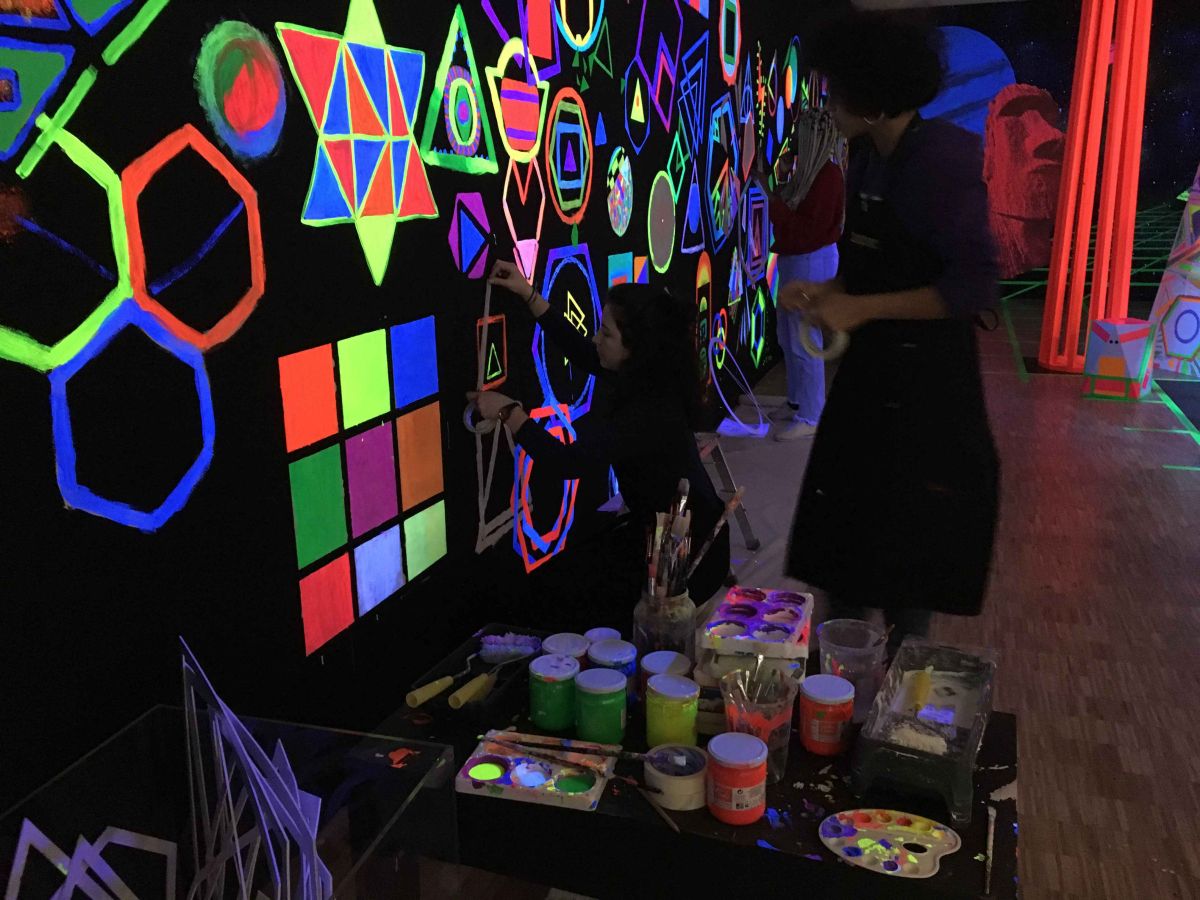
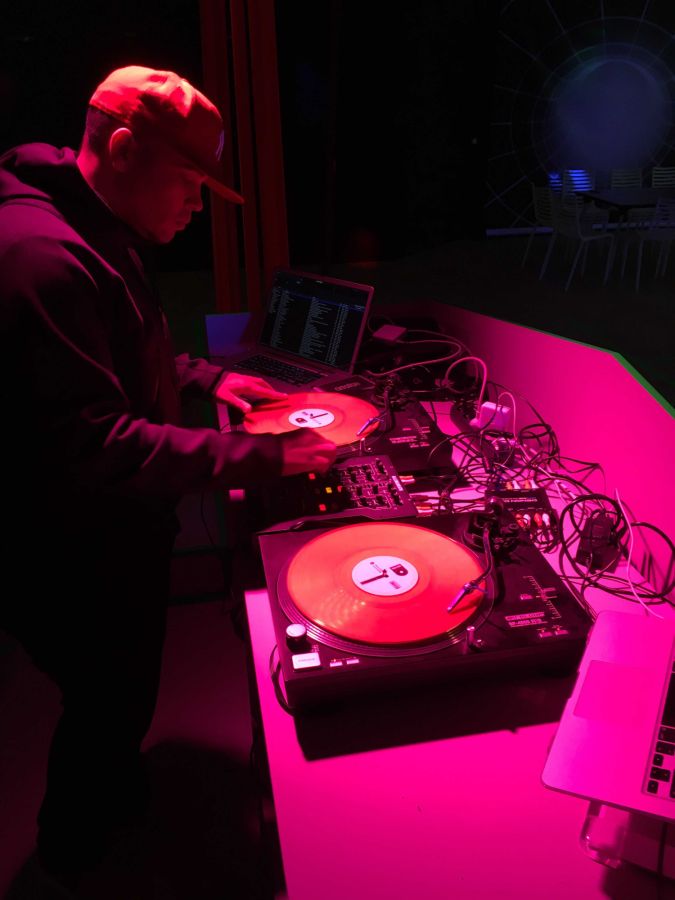
Décor et fresque participative
Photos : Centre Pompidou
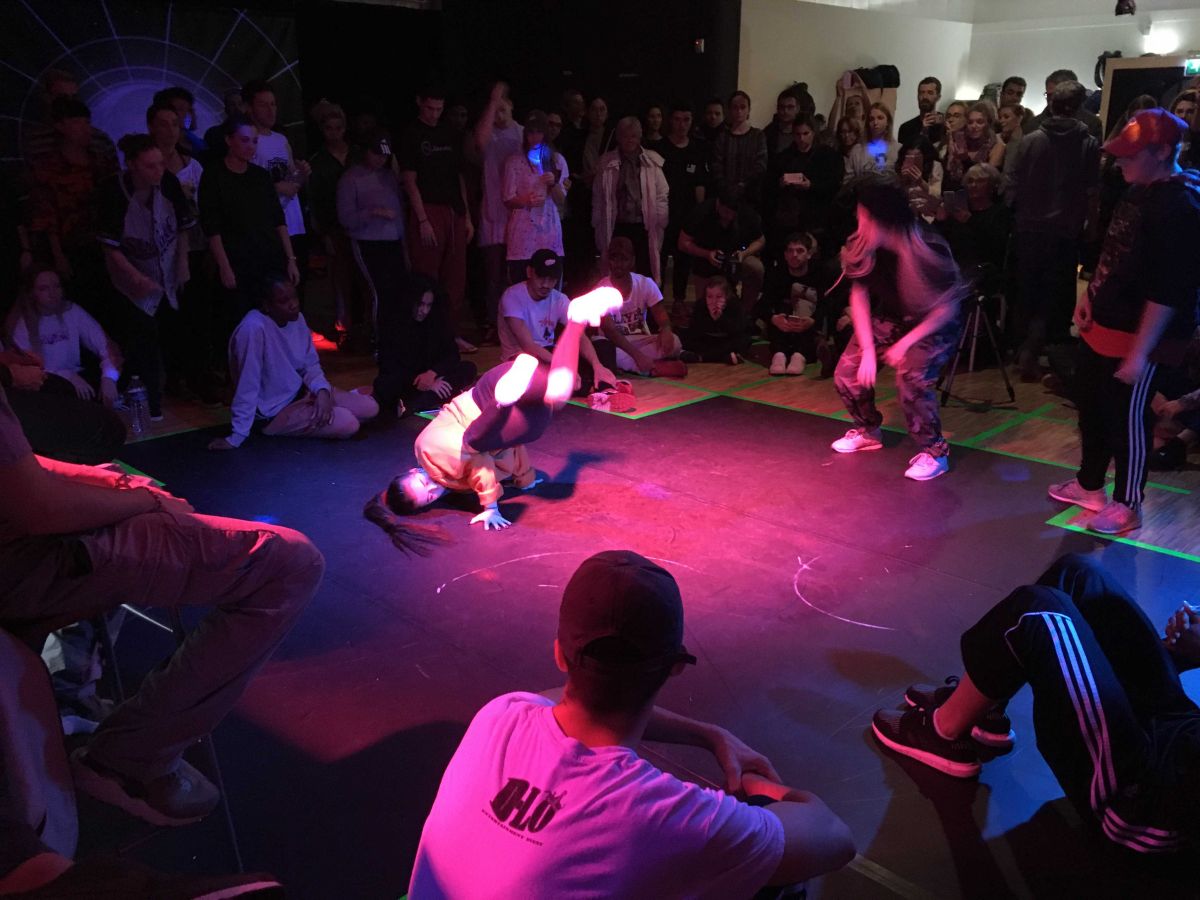
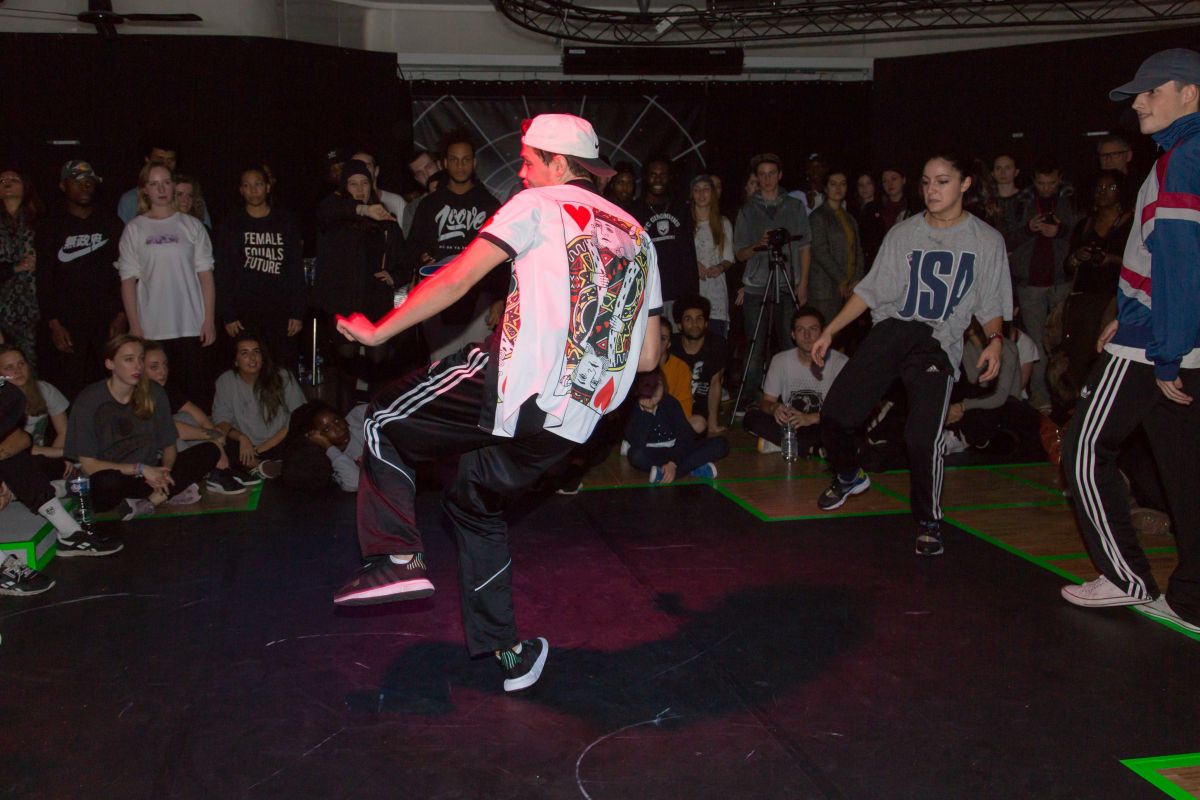
Battle de Hip-Hop des élèves de la Juste Debout School
Photos : Alexandre de Bouhellier et Hervé Veronese
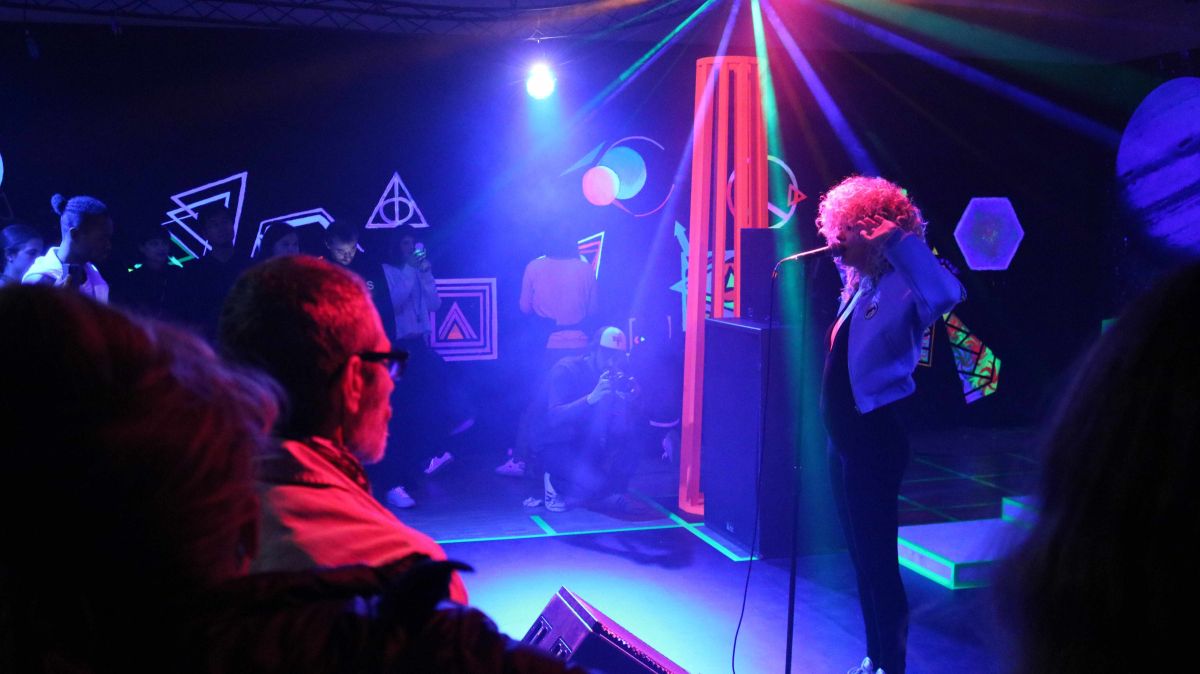
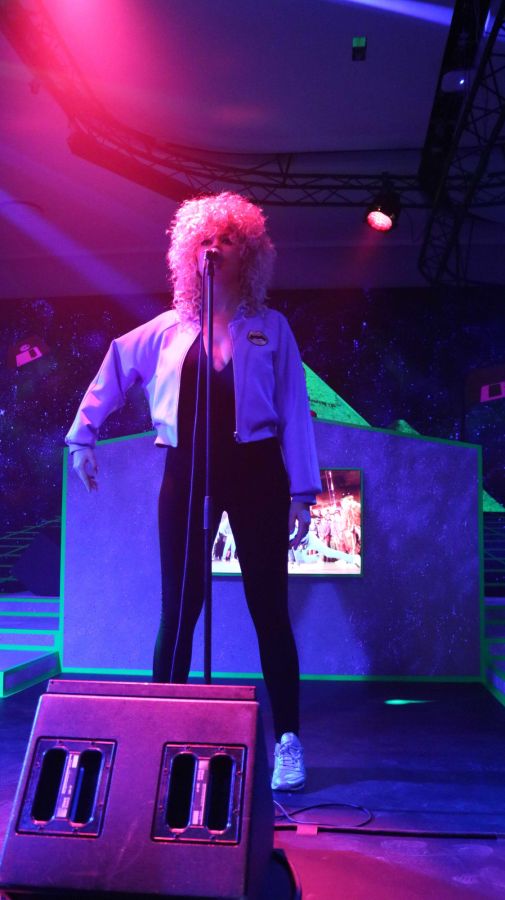
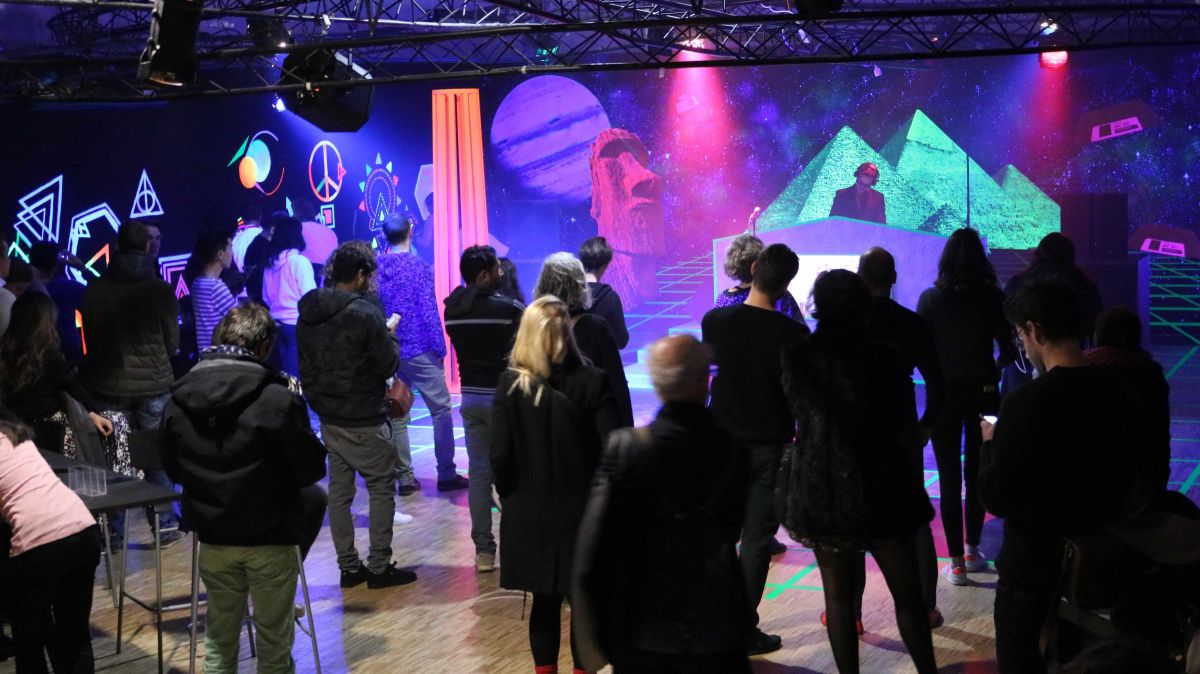
Concert de Corine
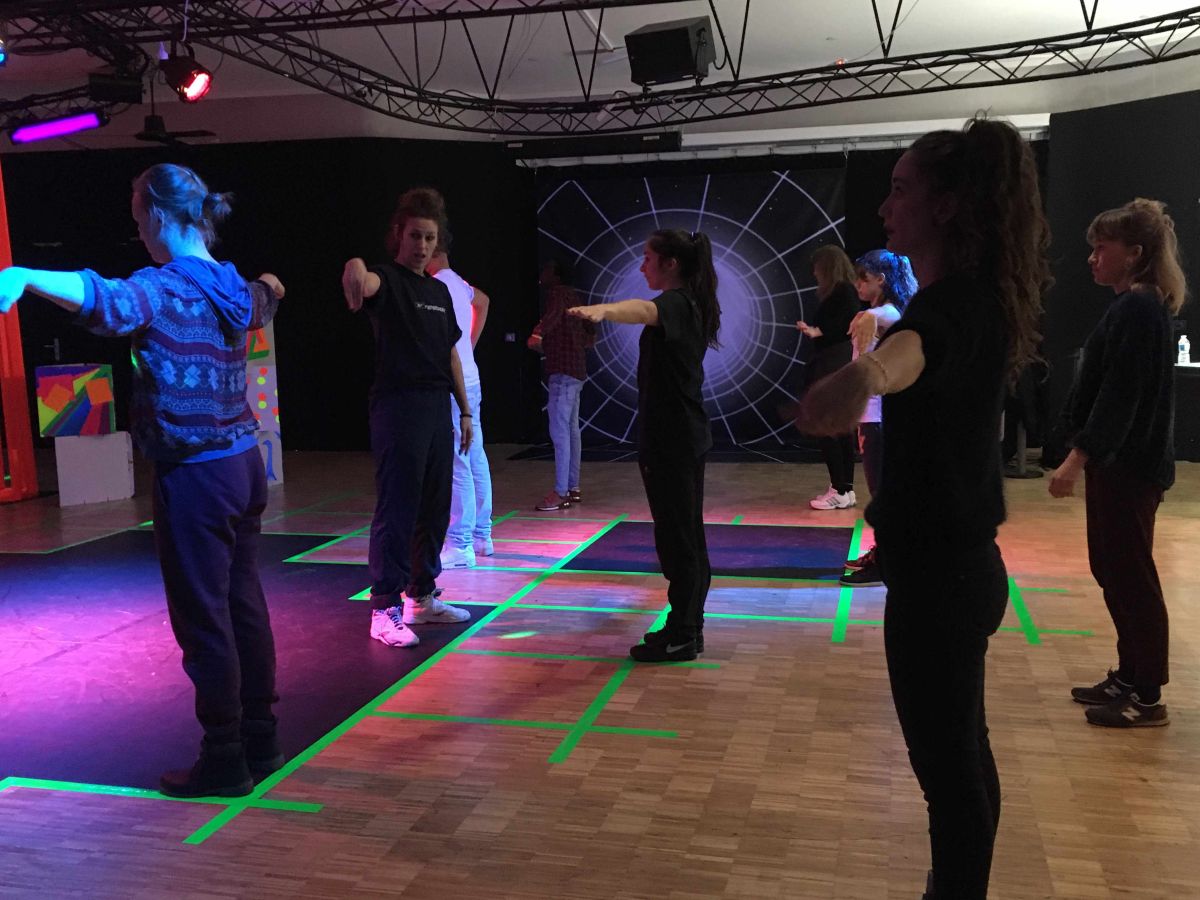
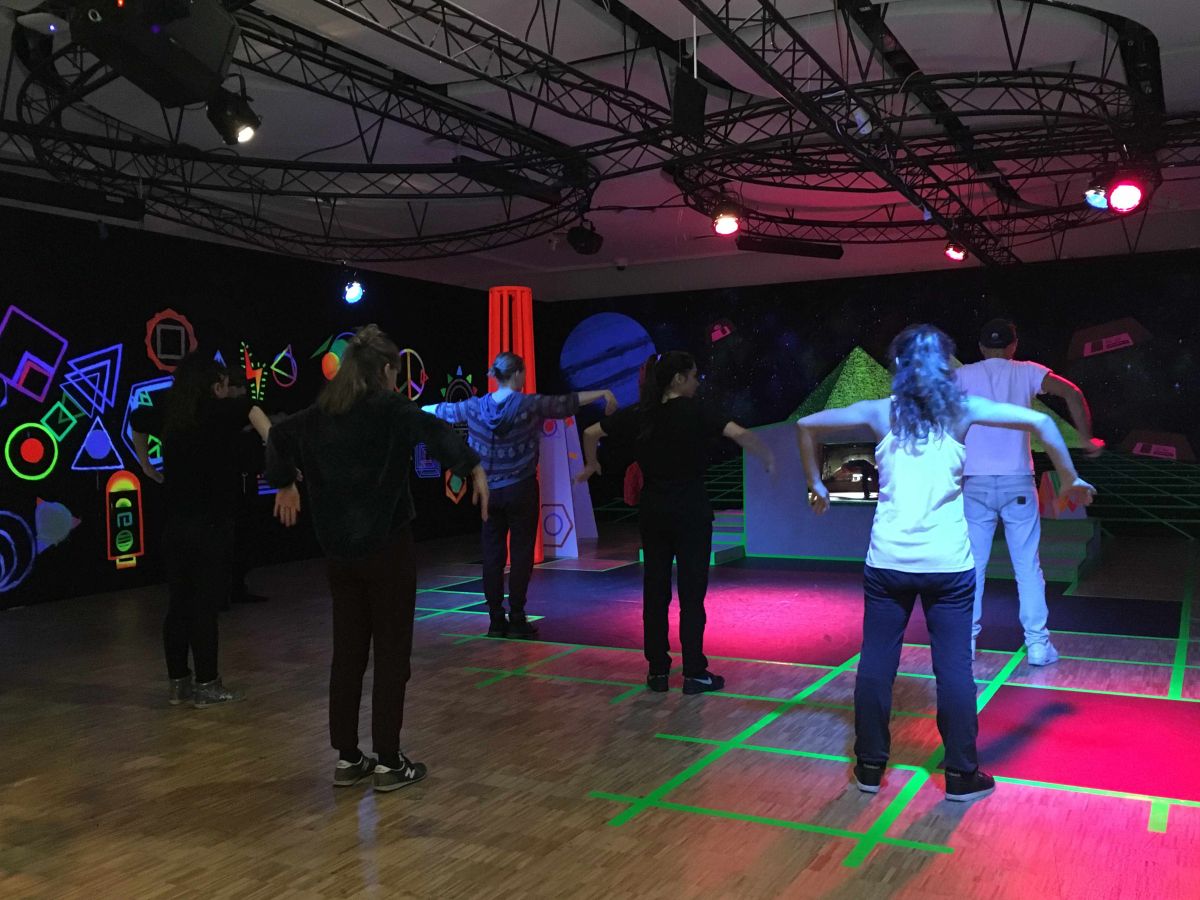
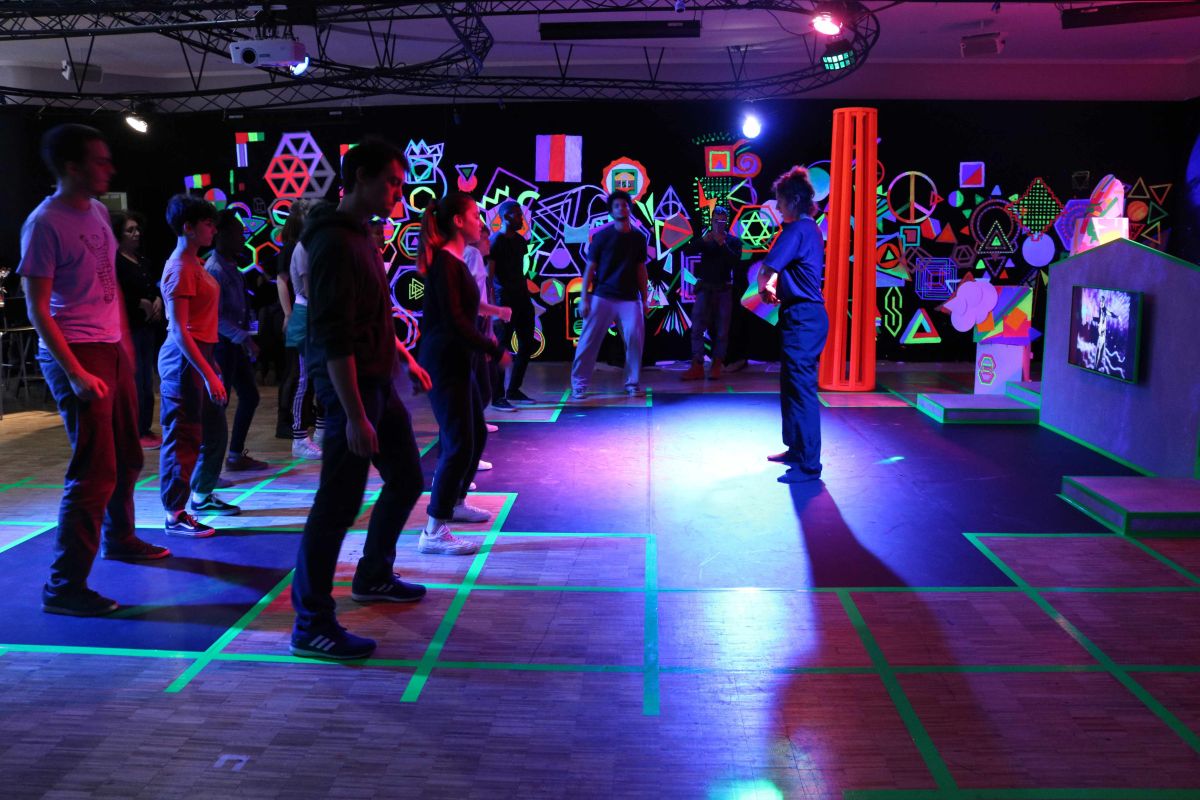
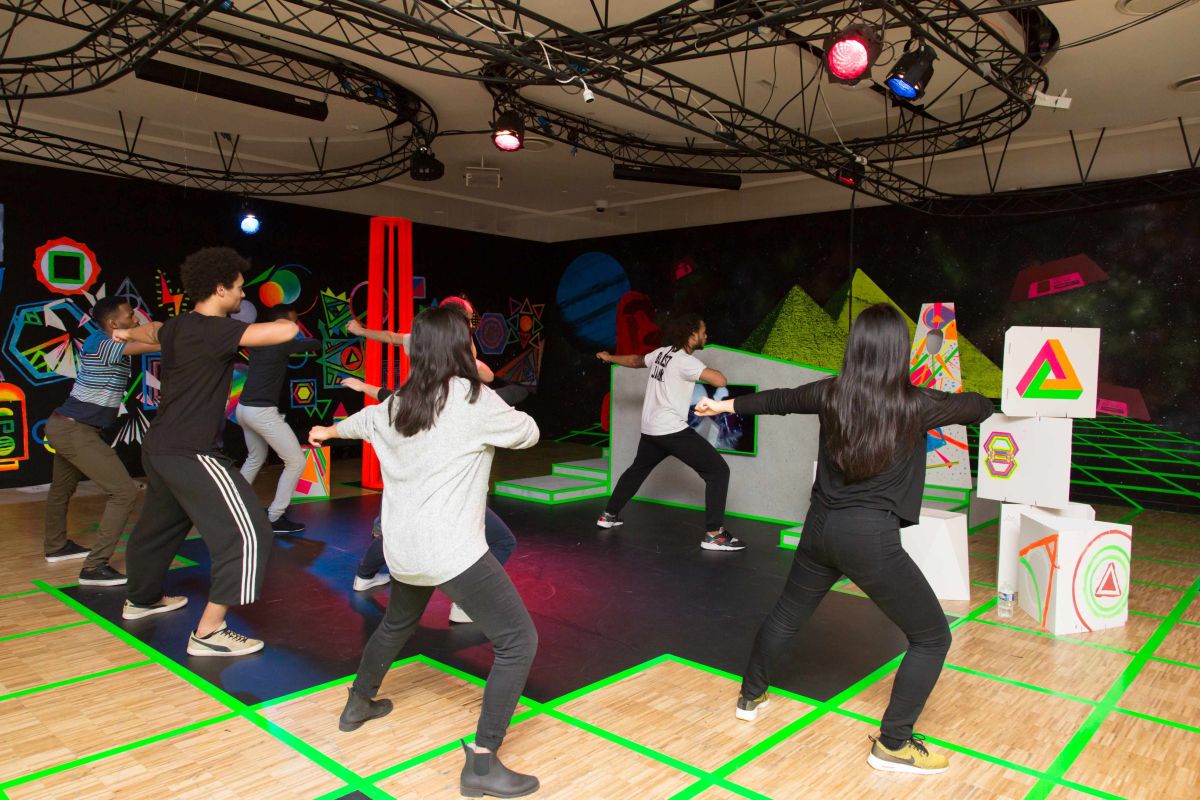
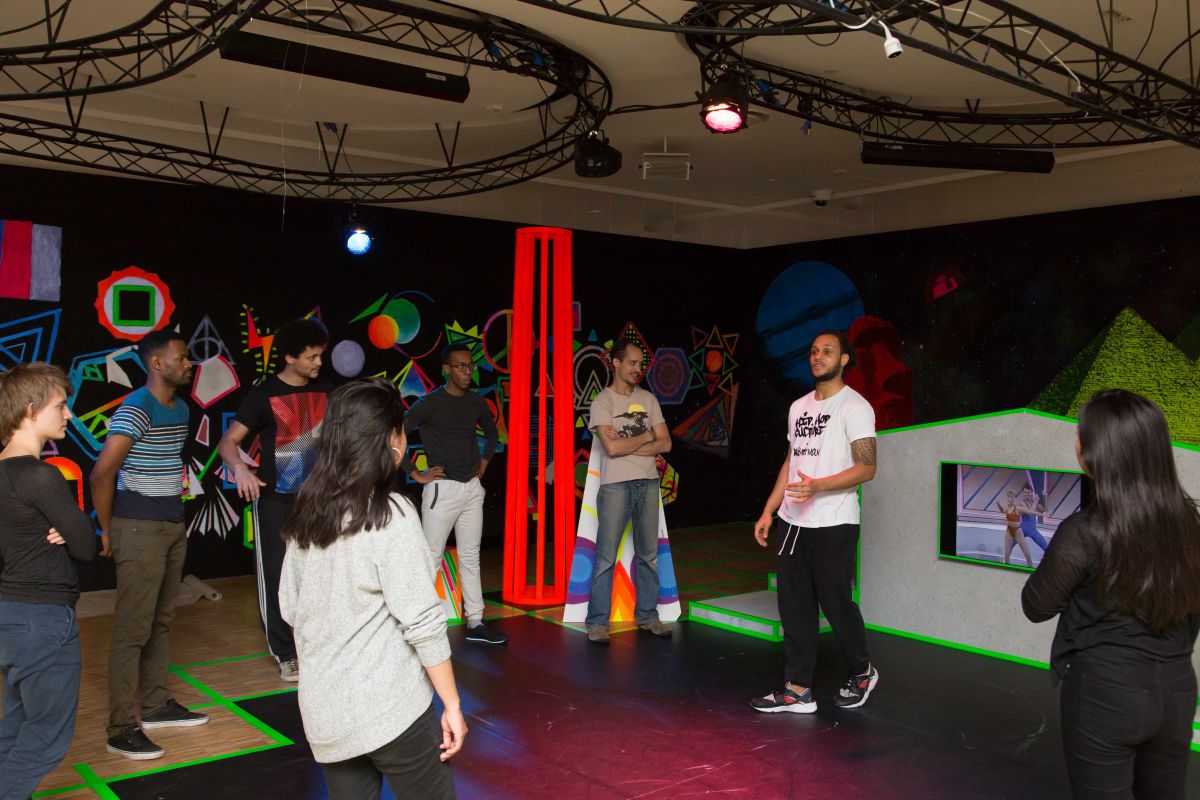
Master-class de Popping avec Léa Djyl et master-class de Hip-Hop avec Maxime Pliya
Photos : Centre Pompidou
Why did you choose to recreate a nightclub?
Strictly speaking, the idea was not to recreate a nightclub but rather to bring together a certain number of physical and graphic elements referring to the places […]. My Boîte de nuit (Nightclub) is a closed space in which teenagers will be able to apprehend various experiences linked to the body, music, painting and images: DJing, dance, but also the creation of painted sets, stagings and situations with black light. It’s a box of experiences of the night. A pun that plays on both the literal and figurative meanings (translator’s note: in French boîte de nuit or nightclub, literally means “night box” so the pun is lost in English).
Why the 80s revival? What does this era mean to you and where do you want to take the audience to?
I work on the basis that an artist, just like a writer or a director, has to take the audience to a number of things that they know and master. […] I grew up with all the graphic and musical variety of those years in my eyes and ears, from new-wave, through hi-NRG, italo-disco and later eurodance. […] In the same way that some artists were assimilated to the punk era in the 70s, I was drawn to dance music in its entirety. It’s not a revival. It is a story that I have been able to monitor with attention. A story that today, as an adult and as an artist, I can re-examine, rethink and re-appropriate. […]
What I hope is that through my interventions I can make the public feel emotions while they wonder about their relationship to the world, to the objects and their history, not necessarily in the same way as I do or experience it. But so that they can appropriate all this to create their own connections.
Total Eclipse is the title of one of your exhibitions: in Boîte de nuit, it is also a question of darkness, luminous appearance, and camouflage. Is it linked to a memory or an experience ?
[…] The solar eclipse and the nightclub have this in common: they both propose a ritual experience of the night. But a repackaged, eventful night that can disrupt the senses. For those who, like me, had the opportunity to follow the solar eclipse of 1999, these disturbances can be felt at the very moment when the moon completely hides the solar disc by observing the daytime wild animals. Their senses are totally disrupted. We can then try to imagine what older civilisations felt during such an event and the mystical magnitude that it triggered.
What would you like young people to experience in Boîte de nuit?
I wouldn’t exaggerate if I said that adolescence was the worst time of my life. In the countryside where I grew up, I had very few escapes. This was in the 80s and 90s in a more than rural area. Minds were not at all open to difference, be it physical, sexual, intellectual, or social. My few moments of respite were during the weekly art class and at weekends when I could watch music programmes and later go out dancing. I went clubbing at a very early age. Around the age of 13-14 and before that there were the village dances, which I went to when I was younger. It was an incredible breath of fresh air, a moment of letting go. “Dance music saved my life!”, I would say.
[…] In creating Boîte de nuit I wanted to create a space of freedom and creation dedicated to learning the practices of partying. A kind of school, but without pressure, evaluations, or competition.
Extracts from the interview of Tony Regazzoni by the studio 13/16’s team.