La Caverne
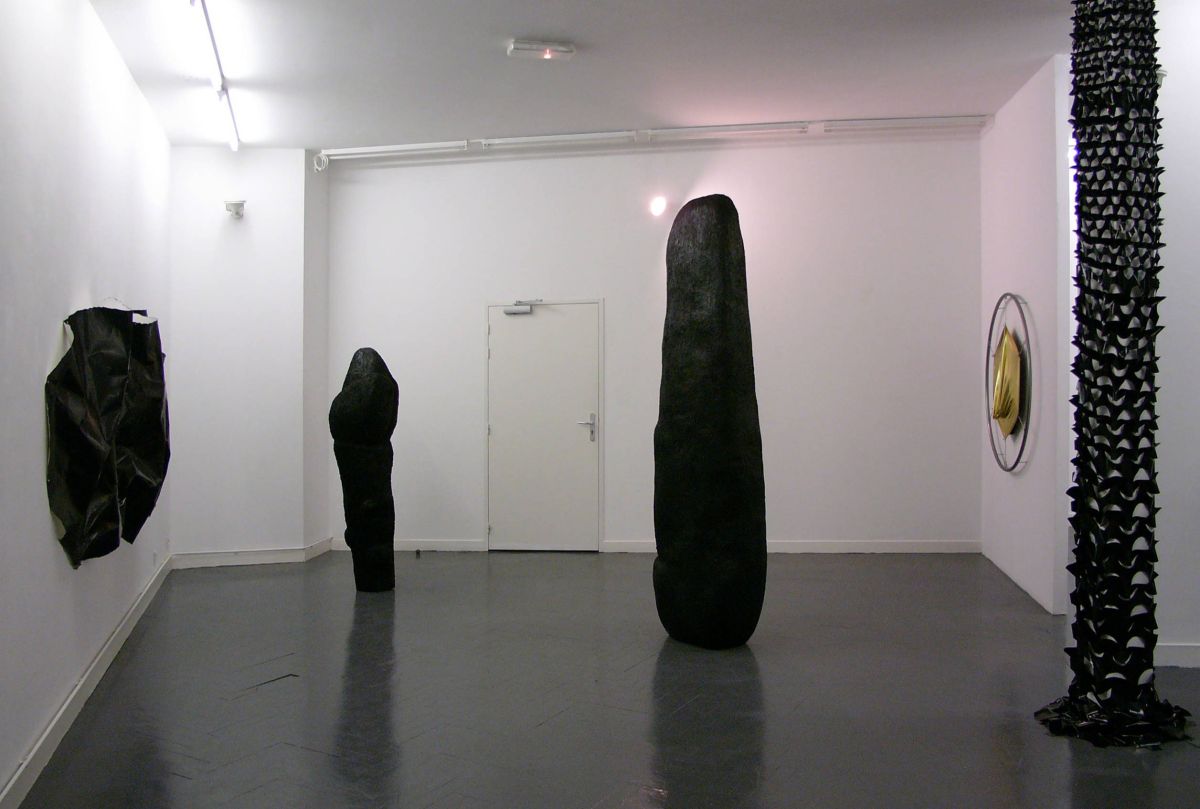
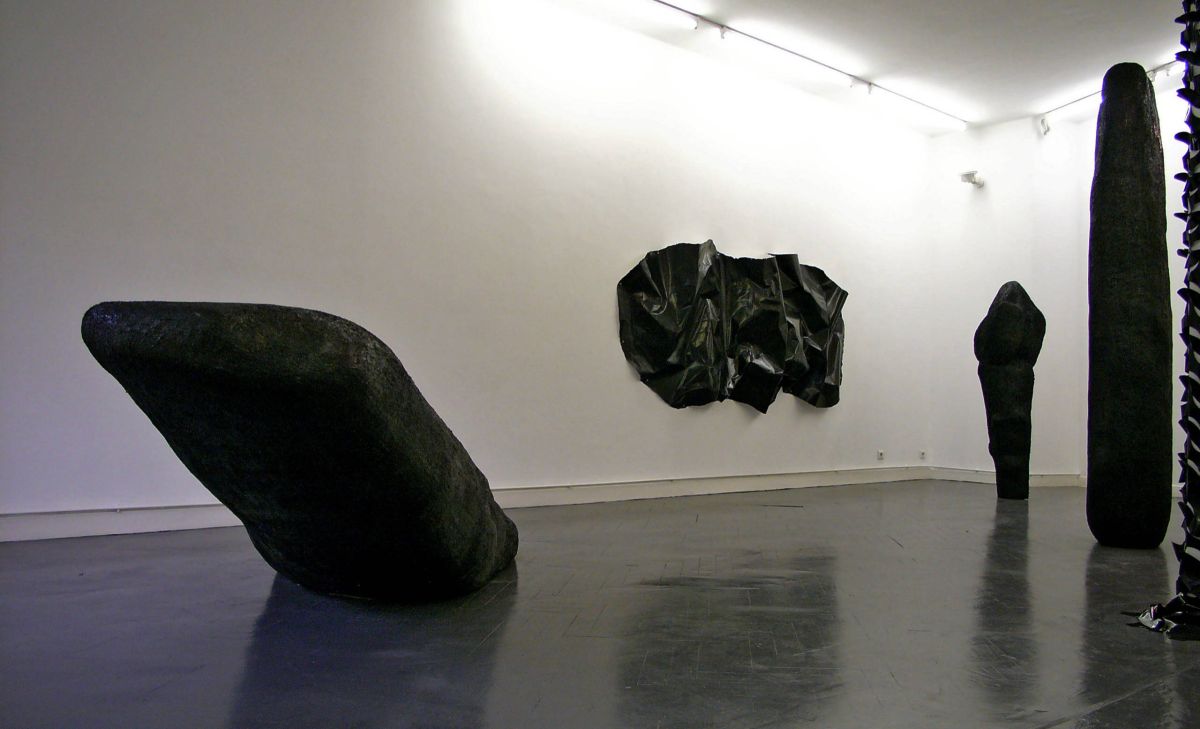
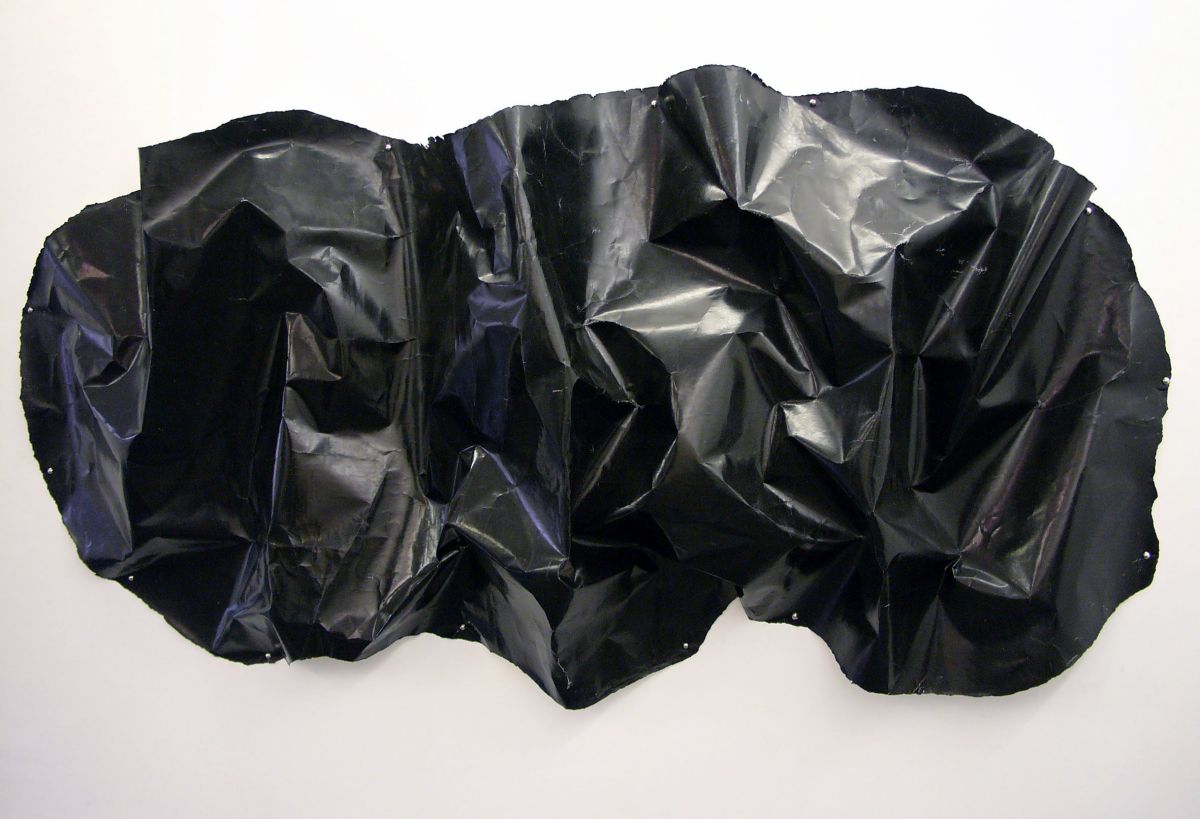
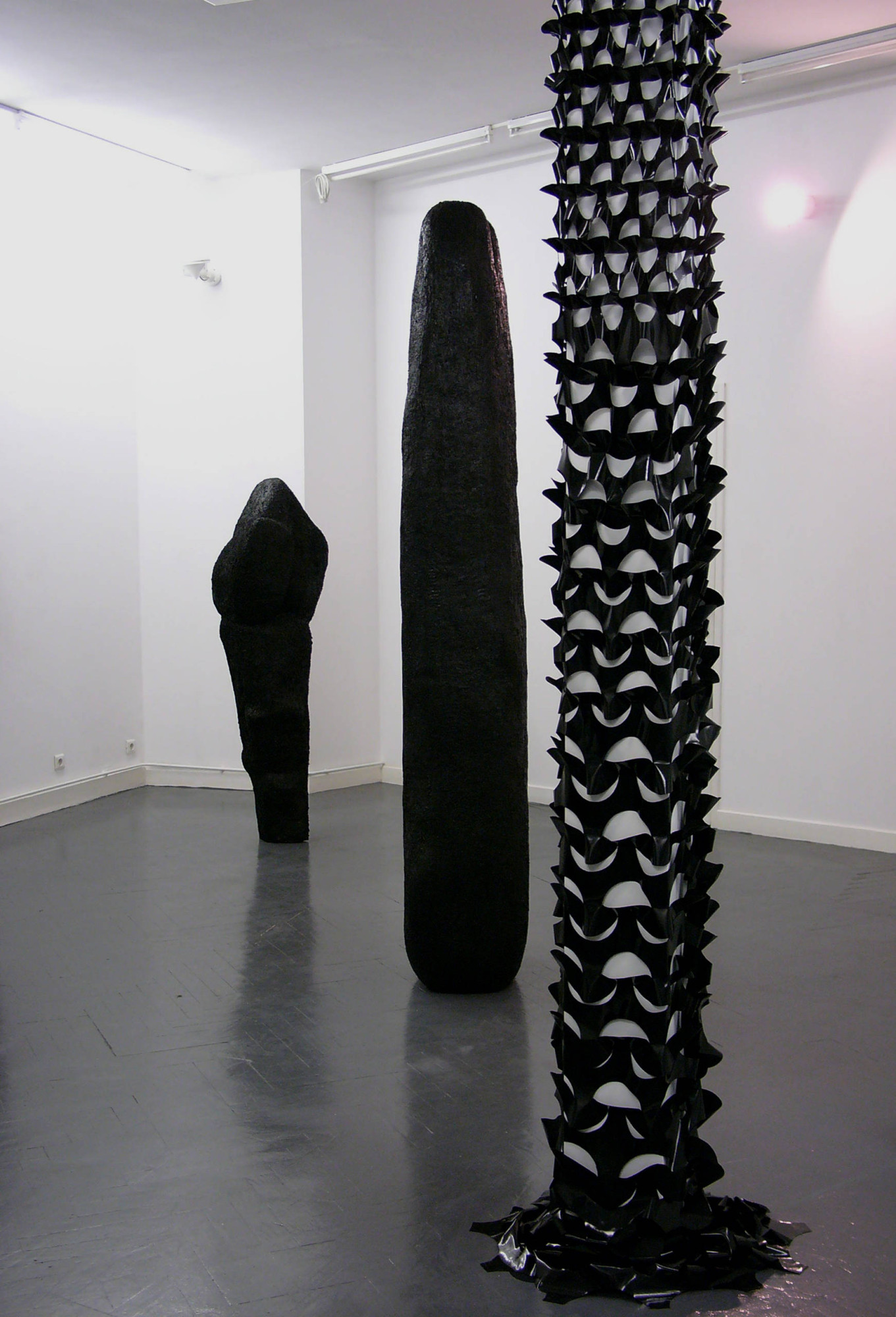
350 x 150 x 30 cm
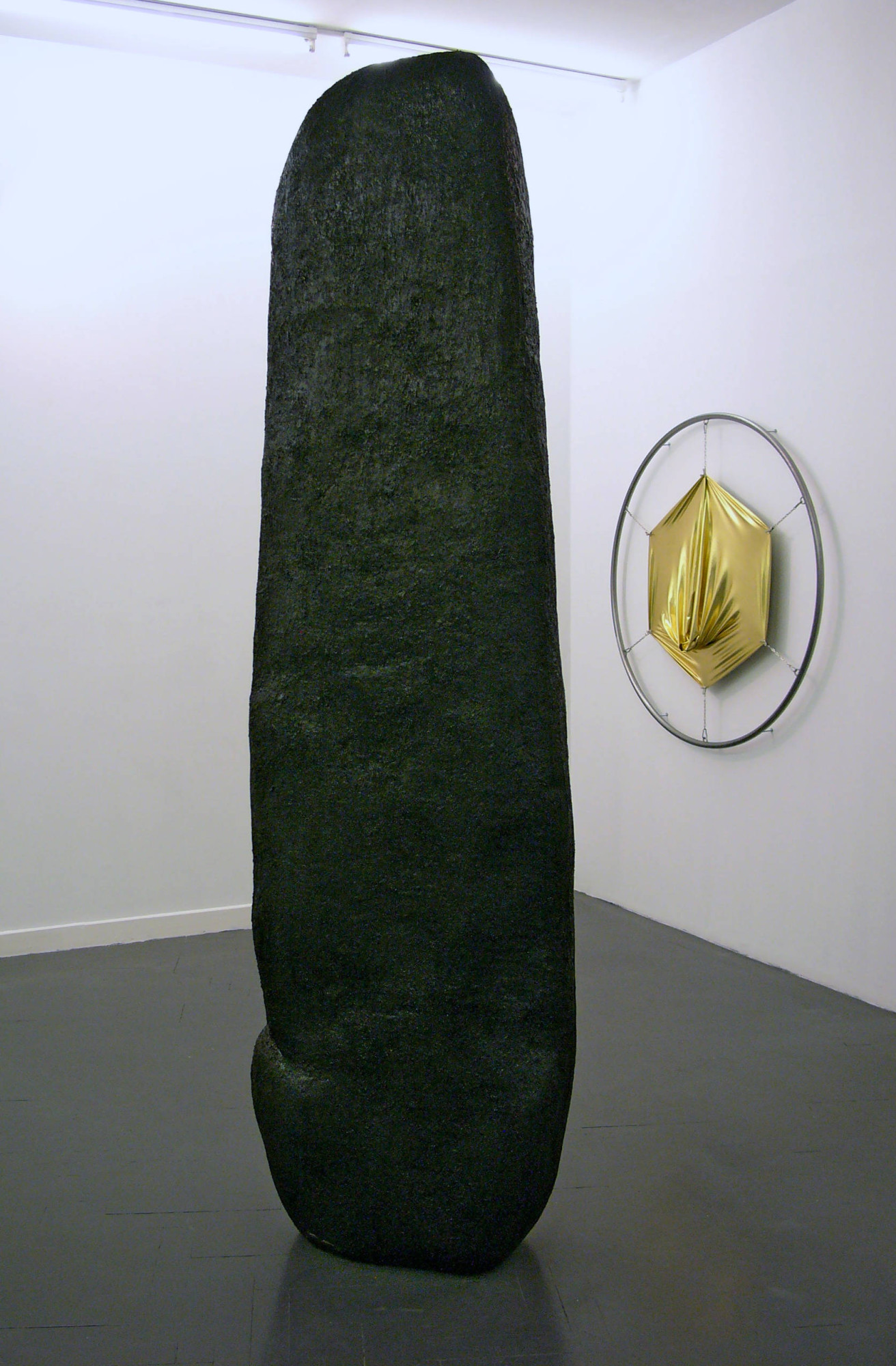
250 x 60 x 40 cm
“It is neither Art for Art, nor Art against Art. I am for Art, but for Art that has nothing to do with Art. Art has everything to do with life.”
Robert Rauschenberg
[…] La Caverne refers directly to the artist’s interest in facsimiles and games of illusion. […] Jean Baudrillard considers a simulacrum, derived from the words simulate, feign, to be that “truth which hides the fact that there is none”. […] The simulacrum is not the copy that refers to a primary object, but in a way a copy of a copy, a loss of the original.
[…] Unusable, Tony Regazzoni’s fake plugs are distorted imitations of an object that is already a substitute. We find this notion of a copy of a copy in the Carpet series, these fake skins whose patterns or grain are reproductions of leather imitations.
[…] The metaphor is twofold: on the one hand it refers to the Platonic fable, and on the other to the backrooms, the back rooms of certain bars or nightclubs, often hidden in the basement, created at a time when homosexuality was not experienced in the open as it is today. […]
The comparison between the Platonic cave and backrooms is rooted in a visual analogy. […] Several pieces combine Greek culture with contemporary or non-contemporary sexuality. Like the drawings evoking the labyrinthine aspect of the backrooms and the maze in which the Minotaur was locked up, or The Golden Fleece which recalls Jason’s while mimicking an SM sexual device used to spread the lips of the female sex.
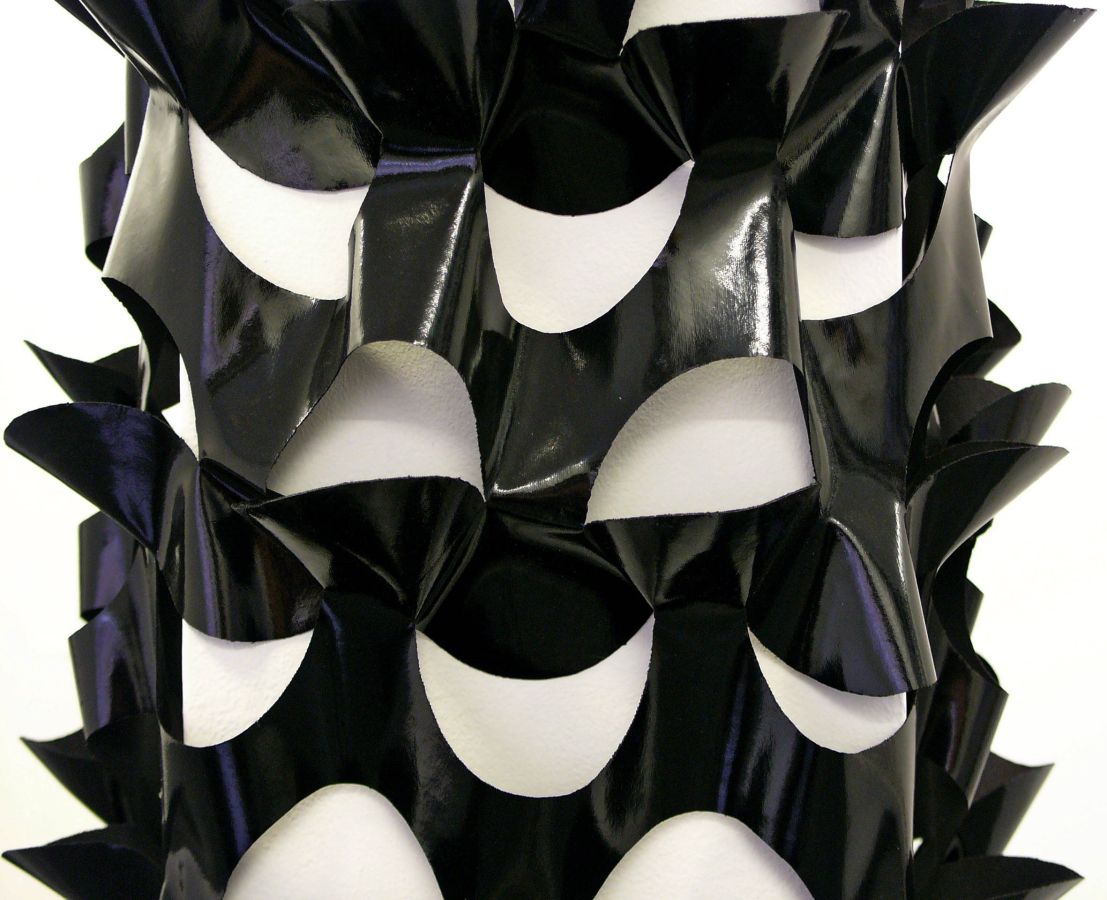
[…] What is the link between the Socratic dialogue, backrooms, Greek myths, or menhirs? It is the question of rituals, codes and symbols that guide human behaviour. Are these codes based on a truth that they embody or are they merely simulacra? The exhibition plays on illusion (Master Black Carpet) and camouflage (Black Curtain) without answering the question. There is a constant back and forth between what is true and false, the essential and the superficial, the natural and the cultural, the animal and the intelligible, without the possibility of determining a point of origin, a point from which to start in order to know where we are going, what the demonstration is.
[…] But if the blindness of the one who dares to come out of the cave is a sign of approaching the truth in Plato, and of a liberation from the social pressure present in the cave and cutting man off from the truth, on leaving the backroom, the light of day is a return to the usual social codes and conventions from which this type of place seems to be extracted, in the manner of the transgressive festive rites described by Roger Caillois. The two systems are closely related, both functioning according to a dialectic of the sacred and the profane: on the one hand the profane world (i.e. that of human everyday nature), on the other its necessary transgression in order to reconnect the profane existence to the –sacred– source of life, whether this source is to be found in the depths of the night or in the sunlight.
Extracts from the text La Caverne by Céline Poulin.
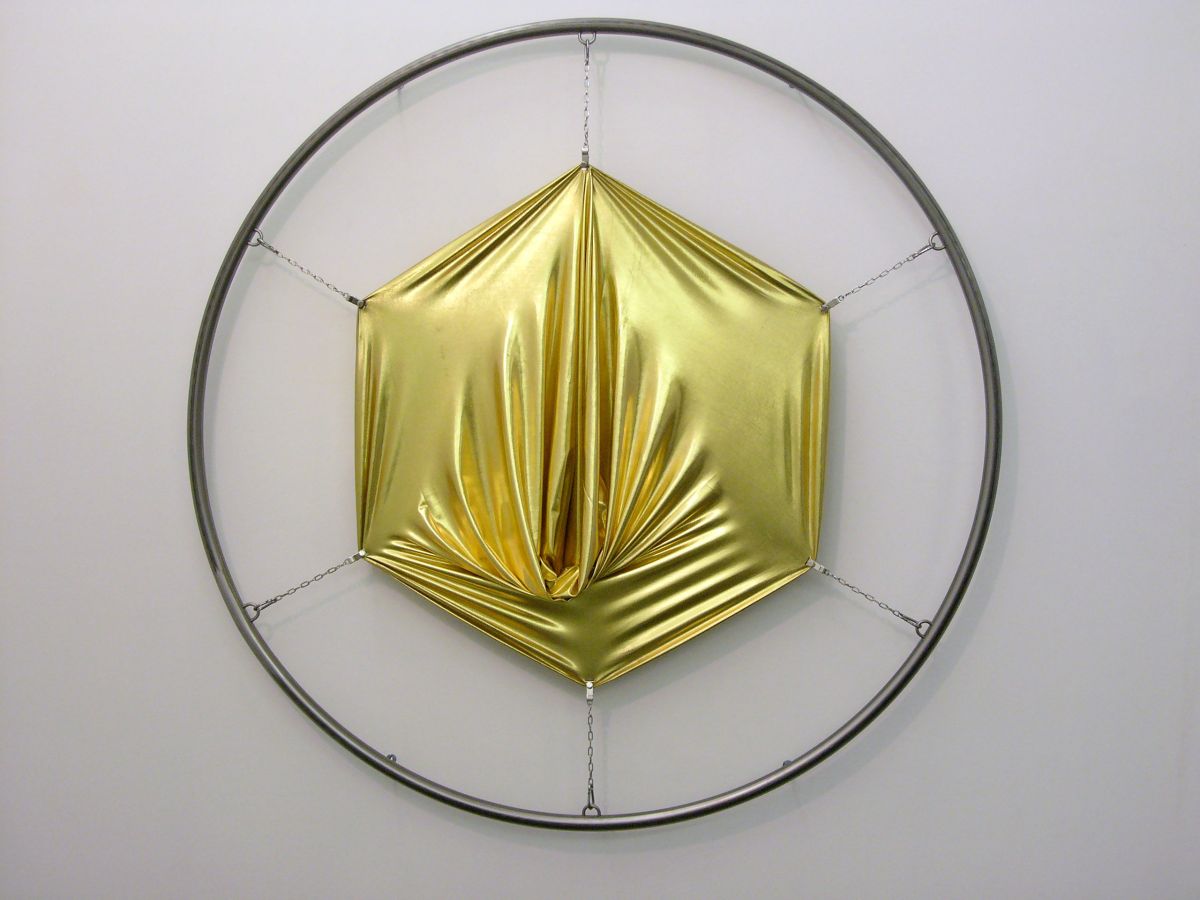
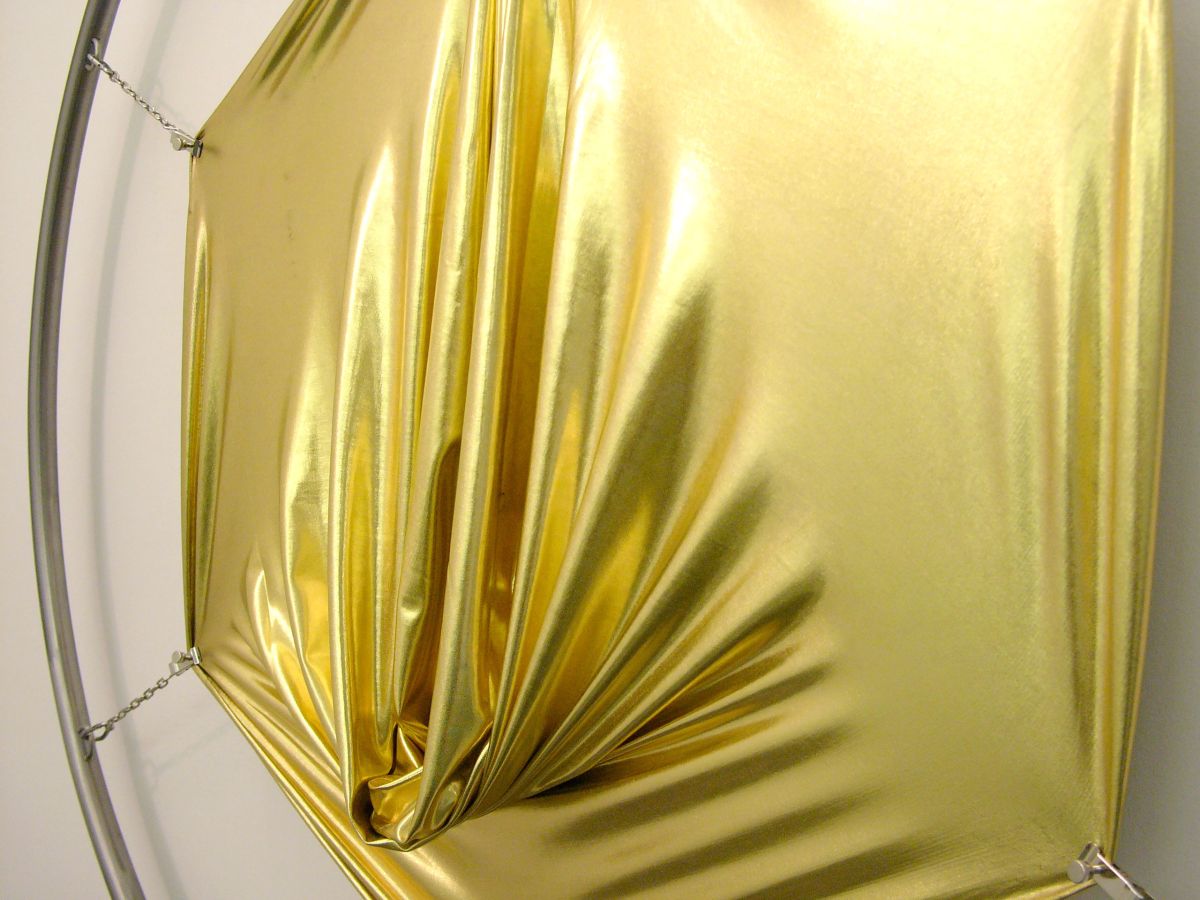
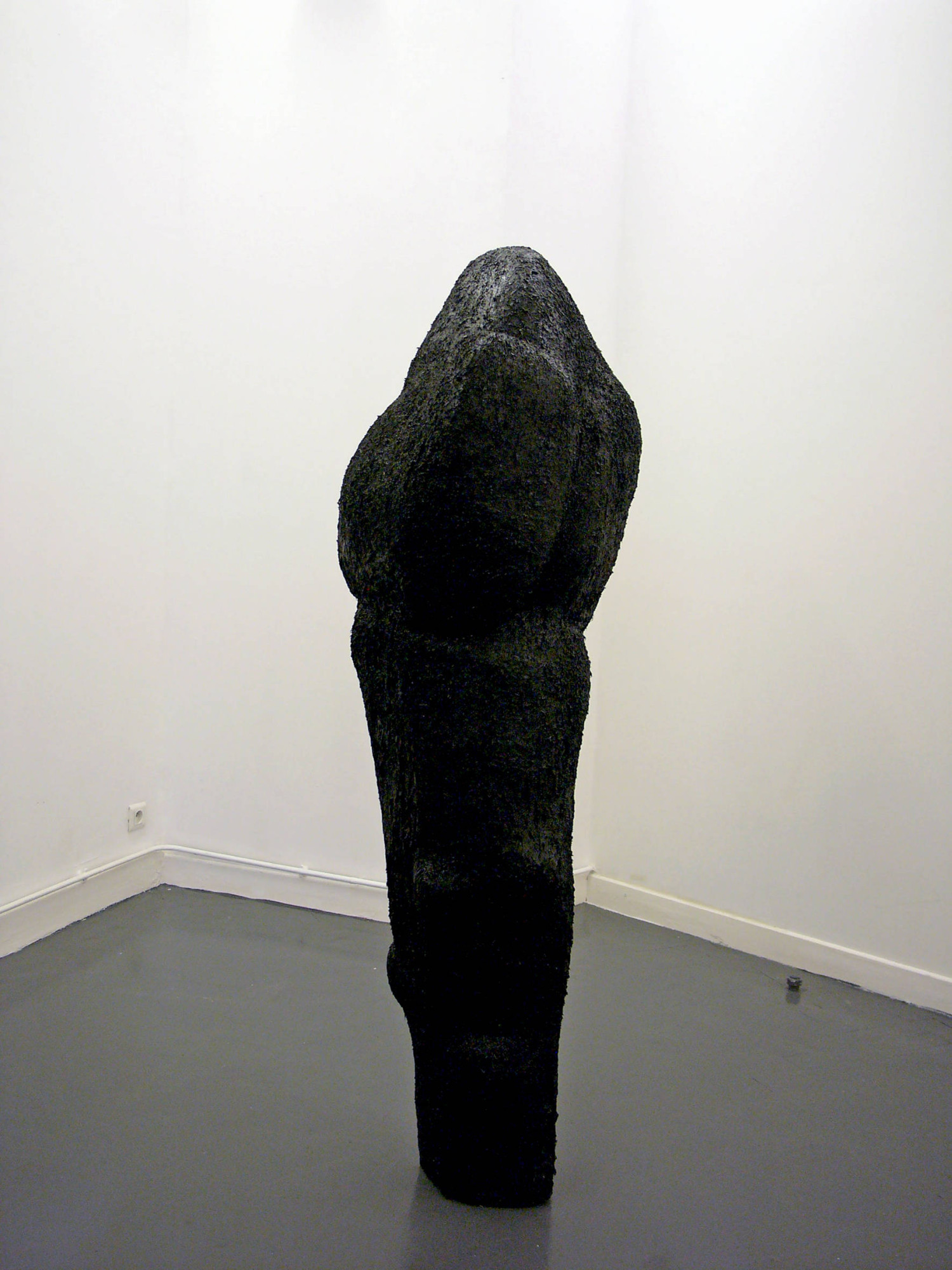
180 x 40 x 30 cm
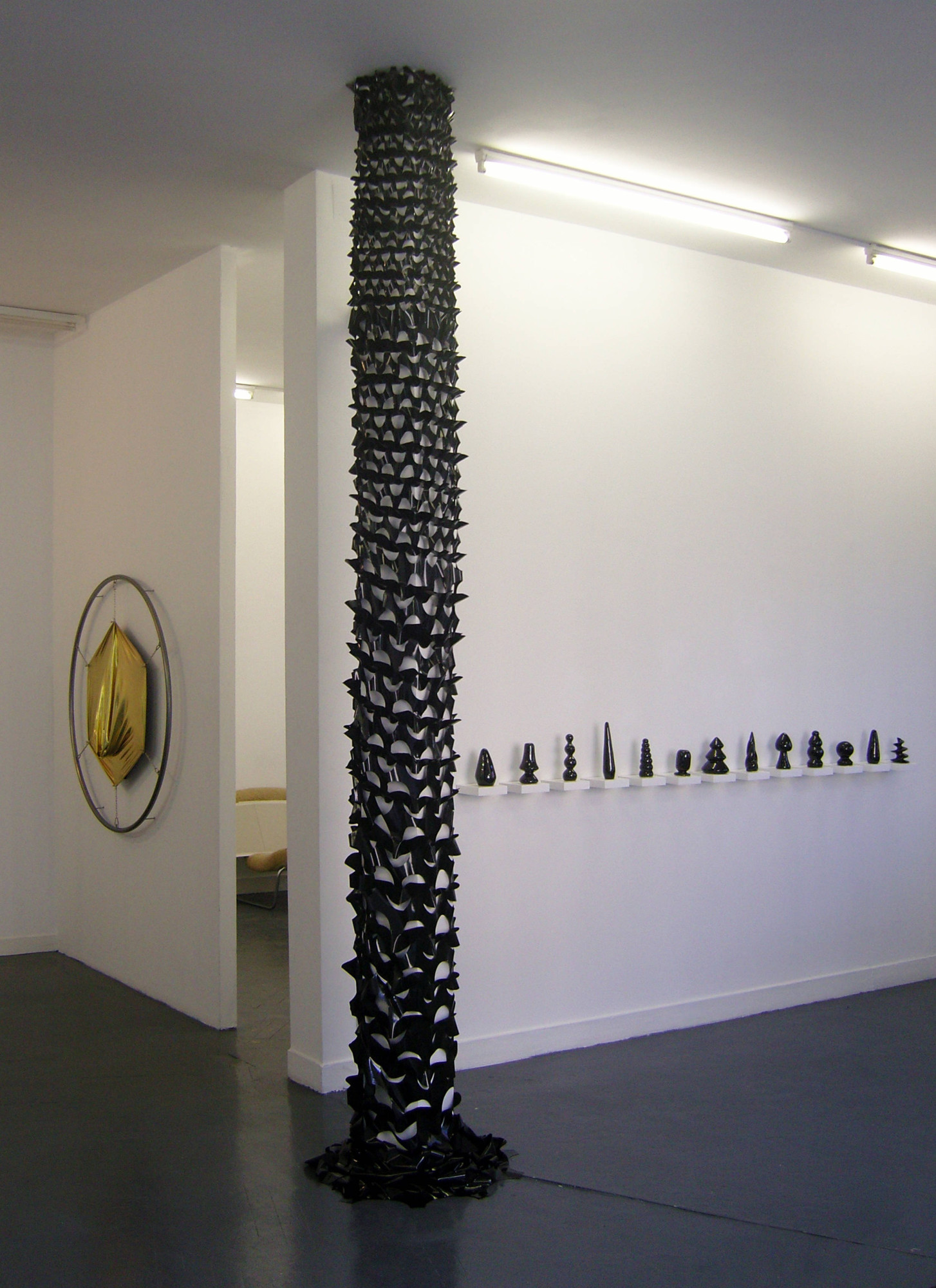
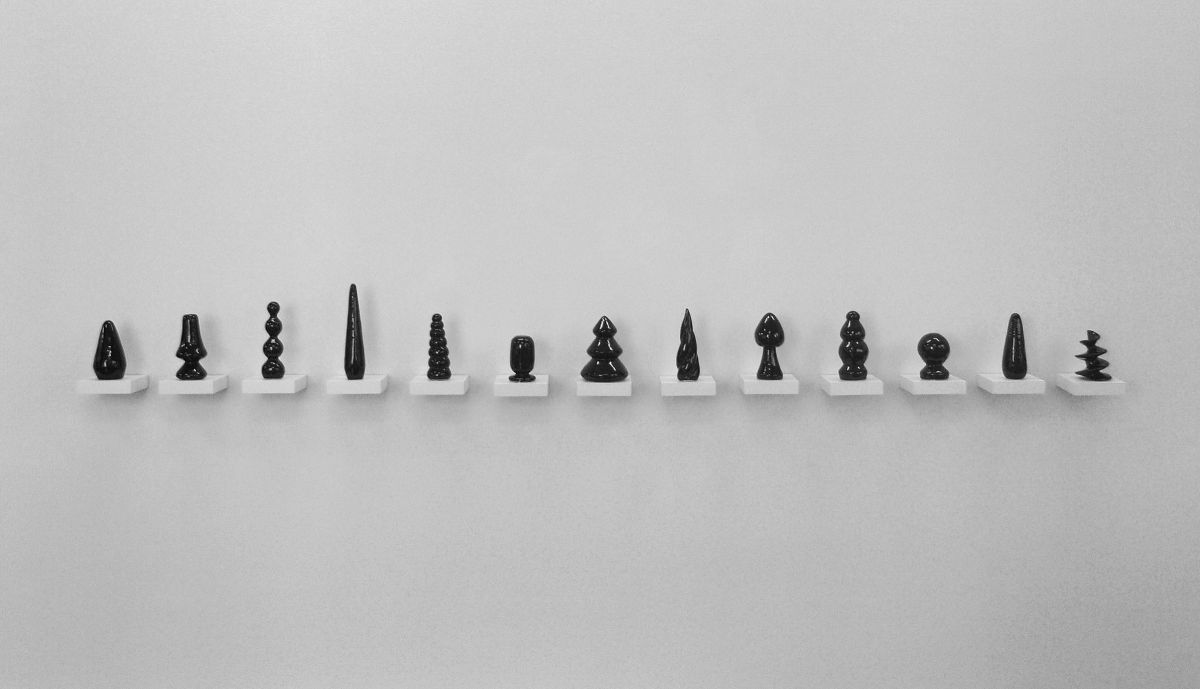
Dimensions variables
Photos : Tony Regazzoni