High Energies
Certaines œuvres de l’exposition ont bénéficié du Fonds de soutien de l’ADAGP et du Soutien à un projet artistique du CNAP (Centre National des Arts Plastiques).
For the last fifteen years or so, multidisciplinary artist Tony Regazzoni has focused his work on the concept of discotheques. These nightclubs, which multiplied and democratized in the 1970s when disco was making the crowds dance, crystallized the echoes of the liberation of gender and sexual minorities. They became community refuges, places of intersectionality between minorities, protected from social discrimination. Safe-places, to use a more contemporary definition.
With this new exhibition, HIGH ENERGIES, Tony Regazzoni further explores his obsession with club culture and dance music - recalling the spirit, as well as the memory, of Hi-NRG.
First popularized in the collective unconscious by Evelyn Thomas’s 1984 hit ‘High Energy’, the style emerged as an amphetamine-fueled version of disco where synthesizers replaced choirs of strings and brass for the benefit of an accelerated beat, kitschy, thunderous refrains, lyrics celebrating sex and chemical highs combined with musical hooks as heady as a rush of poppers. Drugs, inextricably linked and symbolic of Hi-NRG, in which clubbers soaked their bandanas on their noses.
Originally invented at the end of the 1970s in San Francisco by the young producer Patrick Cowley, who composed two of the genre’s anthems - ‘You Make Me Feel (Mighty Real)’ for the diva Sylvester and ‘Menergy’ for himself - San Frandisco sound, also known as Hi-NRG in its early days, quickly established itself as the soundtrack of queer clubs, at a time when dancefloors were the scene of revolution and mutation of bodies and identities. Amplified and popularized by producers Ian Levine, Man Parrish, Bobby Orlando, Gino Soccio, Lime and the Stock, Aitken, Waterman trio, labels such as Megatone, Shack and Moby Dick, and divas such as Divine, Paul Parker and Sylvester, Hi-NRG was not only the soundtrack to queer emancipation in the 80s, it was also the voice of the fight against the AIDS epidemic!
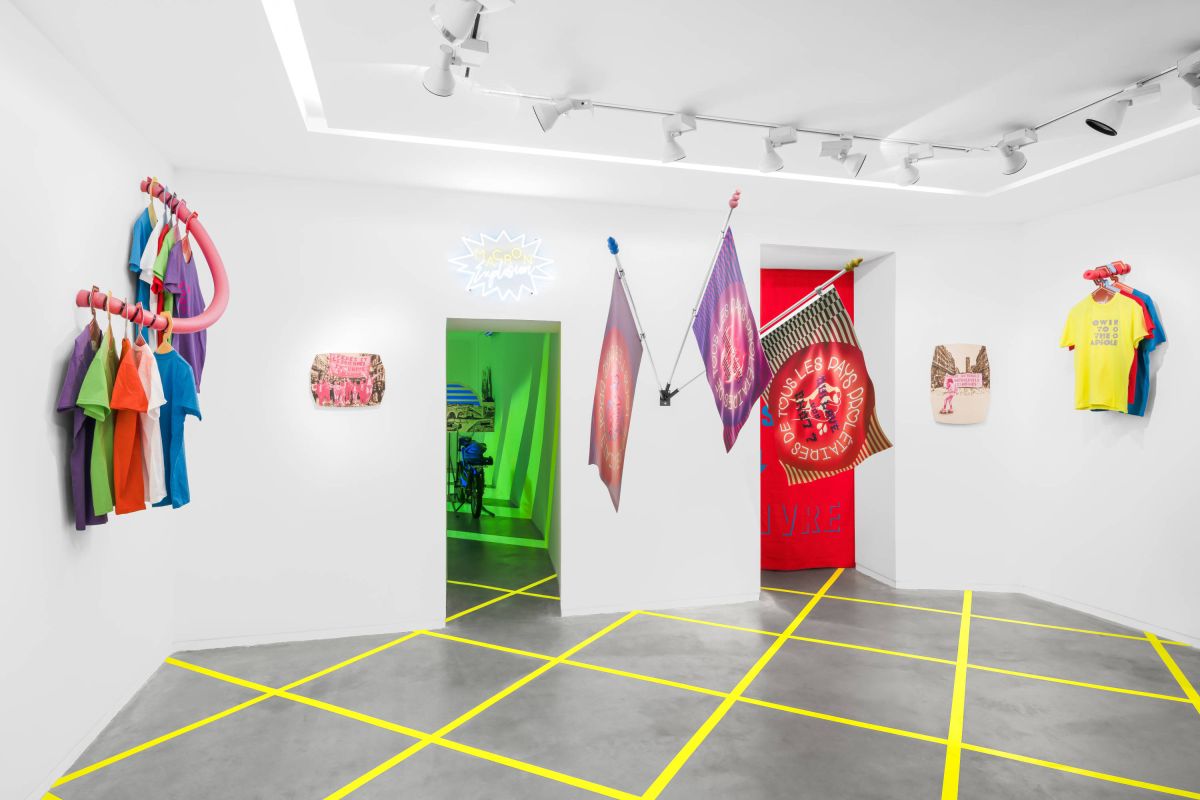
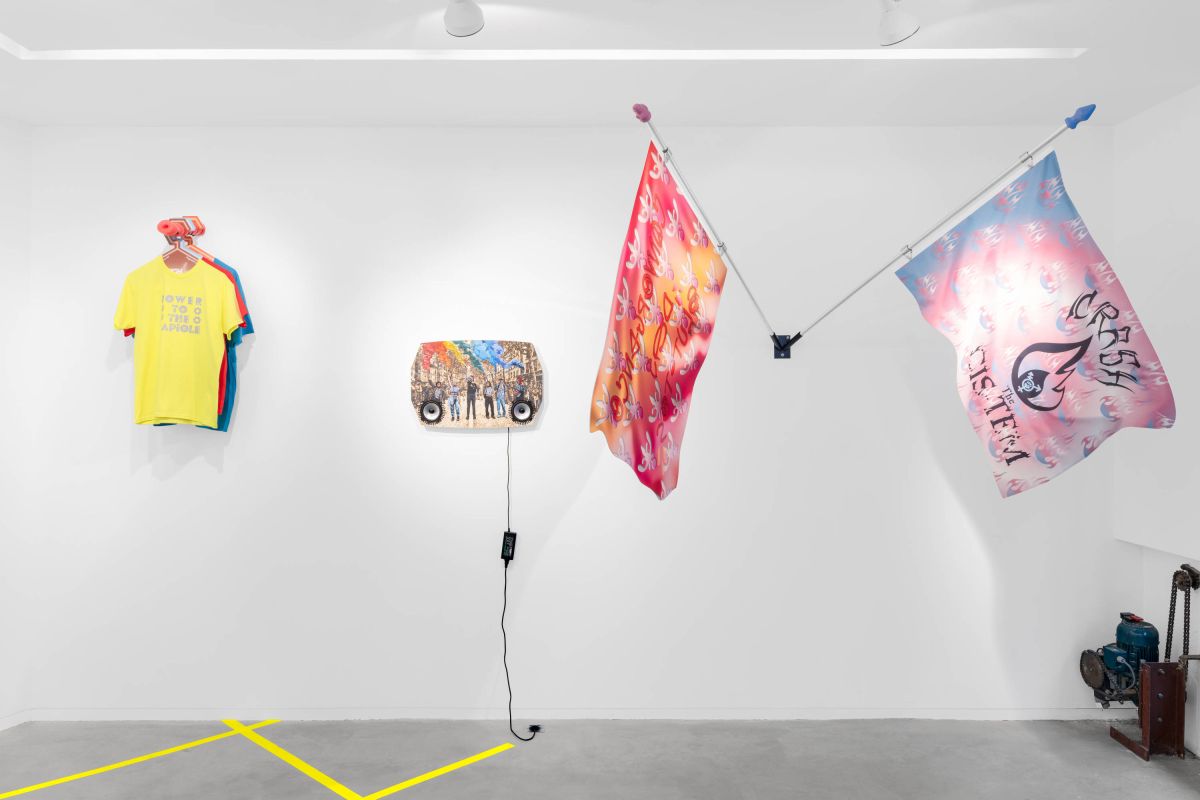
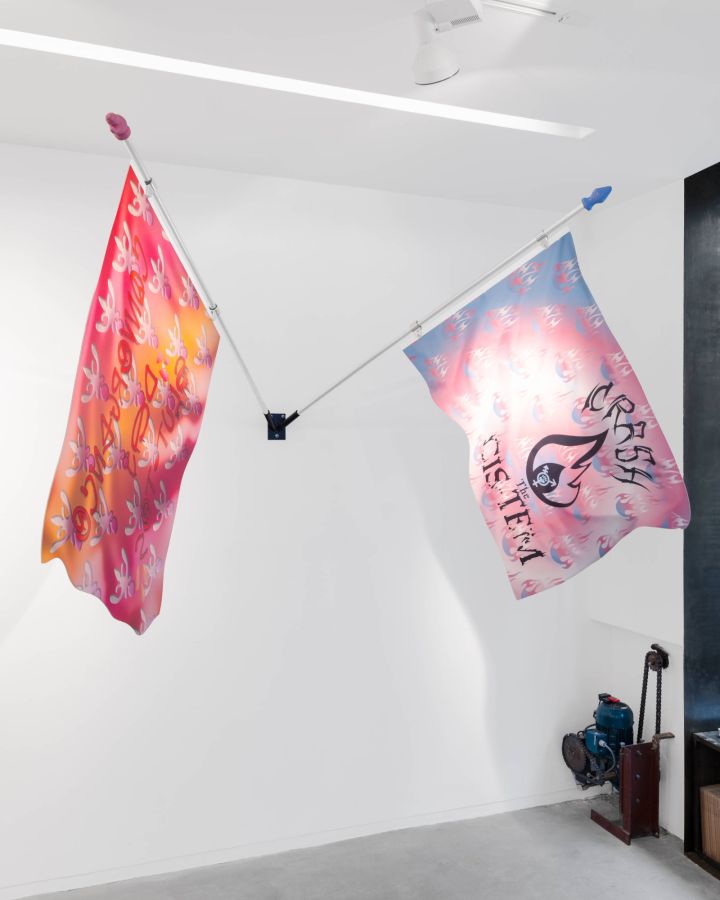
Organized in three rooms, the HIGH ENERGIES exhibition opens with a museum of slogans. A collection of flags, in homage to the rainbow flag created in 1978 following the assassination of Harvey Milk (the first openly homosexual US politician), is completed with a burst of historical and contemporary protest slogans. In collaboration with H-Alix Sanyas, HIGH ENERGIES has turned slogans such as ‘Prolétaires de tous les pays, caressez-vous’ (Workers of all countries, caress yourself) from the FHAR (the legendary LGBTQI+ association of the 70s), or ‘Prolétaires de tous les pays, invertissez-vous’ (Workers of all countries, invert yourself) from the young radical collective Les Inverti-e-s into scarves, T-shirts, crop-tops, etc. A sharp reminder that humor, as scathing as a punch, has always been the preferred weapon of minorities. Just like anger and hedonism, transcribed here in a series of painted and pyrographed tableaux featuring images from happenings, demonstrations, zaps and action-prop, which have marked queer history with their symbolism. A boiling atmosphere amplified by the marking of yellow stripes running from the floor to the walls, in a nod to the graphic design of Hi-NRG covers and popper bottles alike, as well as the sound broadcast of the podcast “Le Feuilleton des luttes” created by the Centre d’Archives LGBTQI+ Paris, with the production of a new episode dedicated to the Inverti-e-s.
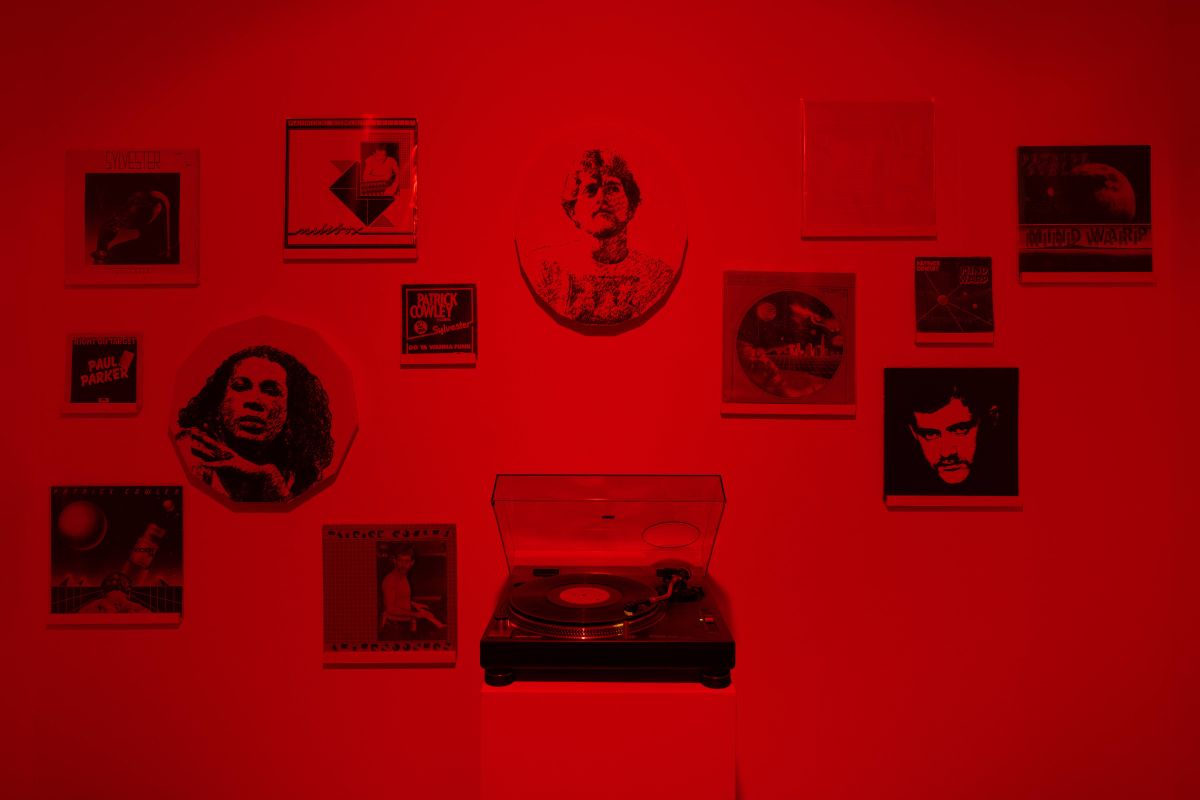
La Chapelle, the second part of the exhibition, is imagined as an acoustic room. A wide selection of Hi-NRG records, with their homoerotic double-hearing covers, will be on display for listening and dancing. While the lyrics of Hi-NRG’s camp and political hits - such as Divine’s “Shoot Your Shot”, Miquel Brown’s “So Many Men, So Little Time” or Man II Man’s “Male Stripper” - embellish the printed pillows where you can recover from your intense dance-routine. On the wall, pyrographed portraits of Divine, Patrick Cowley, Sylvester or Ian Levine, all whose hits have gone from sweaty discotheques to street protests, form a new trinity of Hi-NRG saints before whom one must bow.
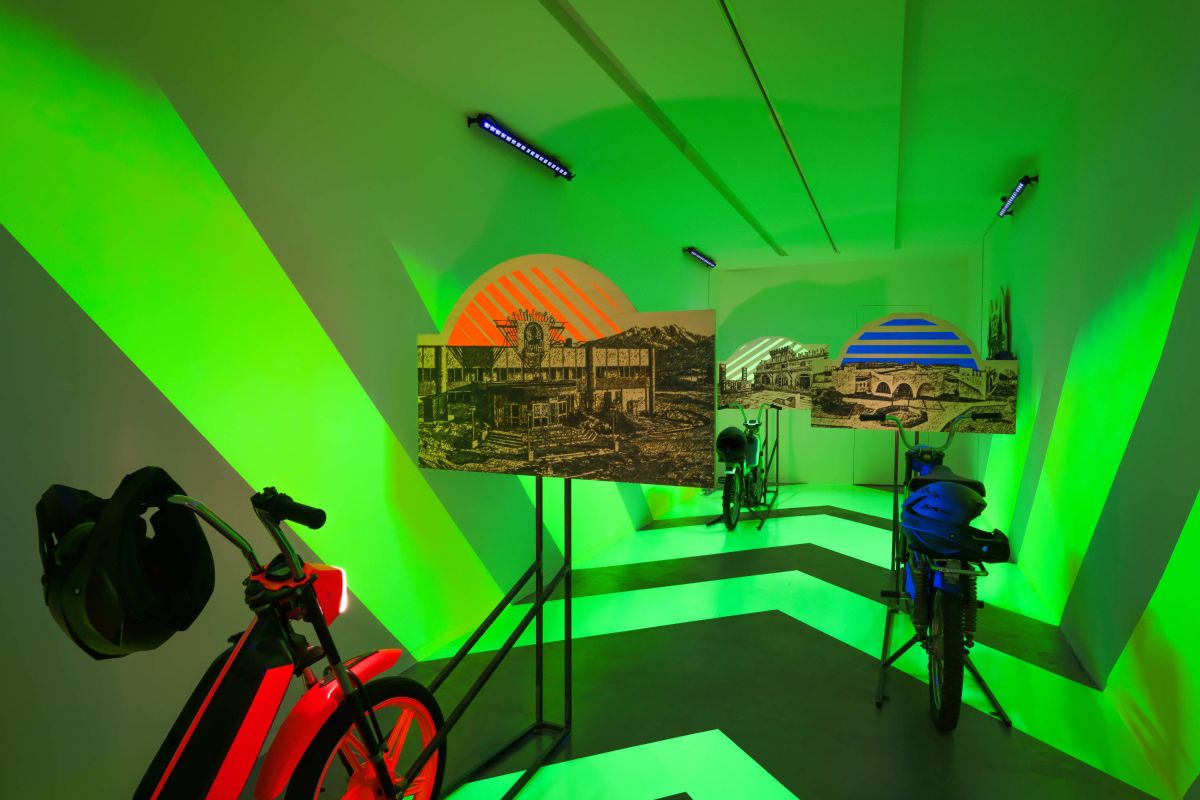
Bande Organisée, the final part of the exhibition, adapted from an installation at the Nouveau Printemps in Toulouse last year, retraces Tony’s journey of initiation through the Italian discotheques of the 1970’s golden age, most of which are now abandoned and in ruins. Seized in their whimsical architecture and transformed into pyrogravures, homage to these retro-futuristic temples is carried by tuned and gleaming motorcycles brightening up the compositions with their headlights. A way for the public, seated on the saddle, to dive into these Saturday night fevers, while letting themselves be carried away by stories freely imagined by young radical queer artists such as Camille Desombre, Naëlle Dariya, Gorge Bataille and Aurélie Faure.
By transmuting the title of his exhibition from HI-NRG to HIGH ENERGIES, by desacralizing the figure of the all-powerful artist in inviting other artists or collectives, and by transforming the public into actors, Tony Regazzoni raises the burning questions of queer memory and heritage, fluids physical and corporeal, as activism and politics, transmuted into that famous electric discharge for which Hi-NRG was named. What is left of this synthetic, robotic disco’s community energy, which was once the soundtrack of collective emancipation and resilience in the face of AIDS? Of celebration and death? How did this musical genre stigmatized as the music of fags, crazies and thundering divas, designed for drugs and sex, and far more political than it seems, find its way into battle? By refusing to lock himself away, or even take refuge in the past, Tony Regazzoni connects past and present, colliding them to unleash the sparks of activism. And all the while, he delivers his most militant and queer exhibition to date.
A way of extending the question that runs through his work: why does dancing, this mix of collective jubilation and expression of individuality, affect bodies and politics, as Act Up Paris proclaimed “Sida is disco”?
Patrick Thévenin
Janv. 2025
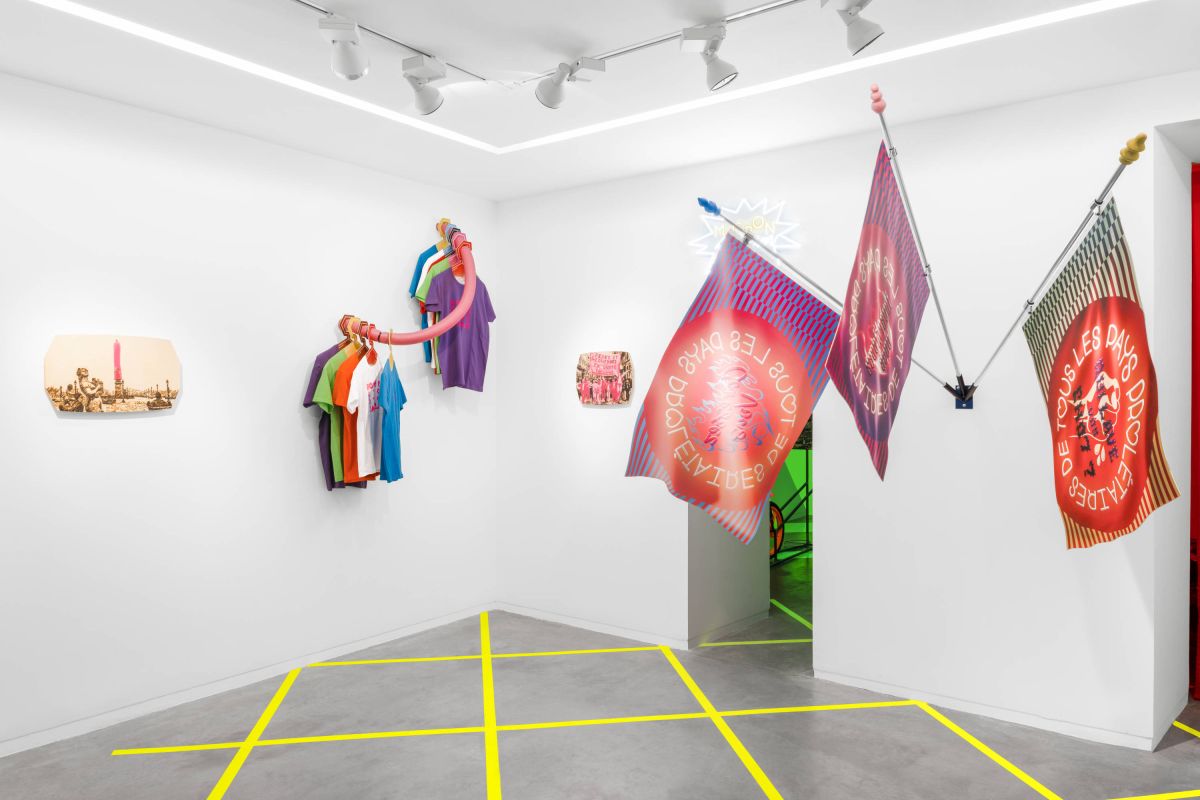
High Energies (Trilogie marxiste), 2025
Drapeaux, impressions numériques sur Forex, céramiques peintes, suspensions métalliques
160 x 180 x 230 cm
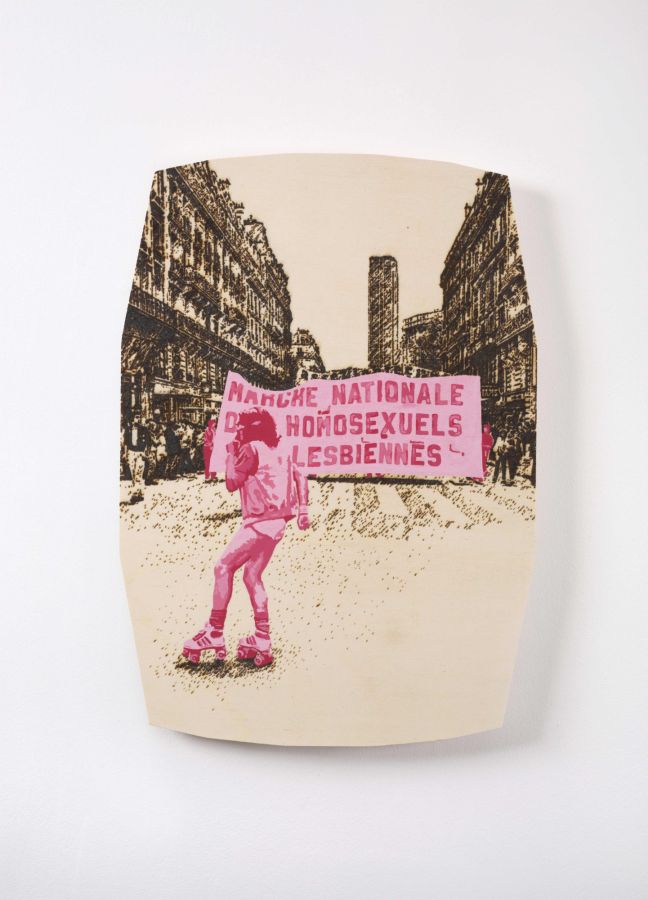
D’après une photo de Jean-Claude Aubry, 1982. 60 x 42 x 3 cm
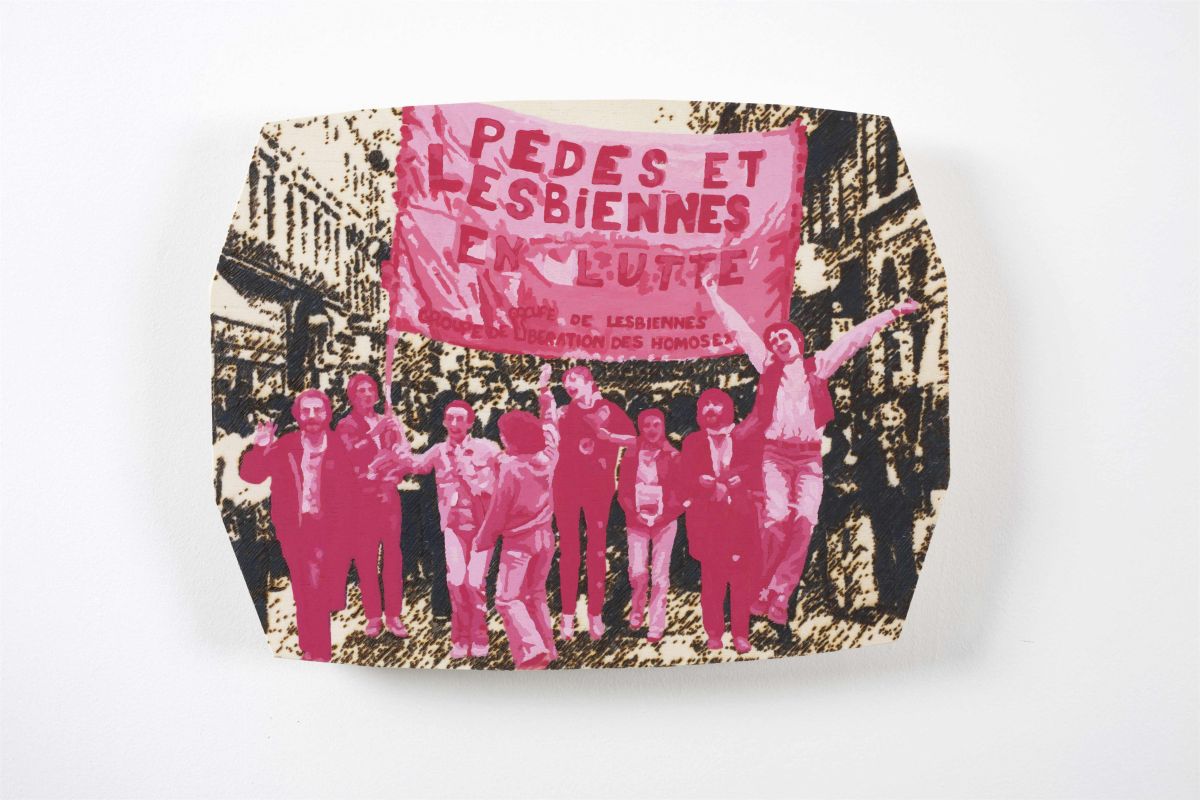
42 x 32,5 cm
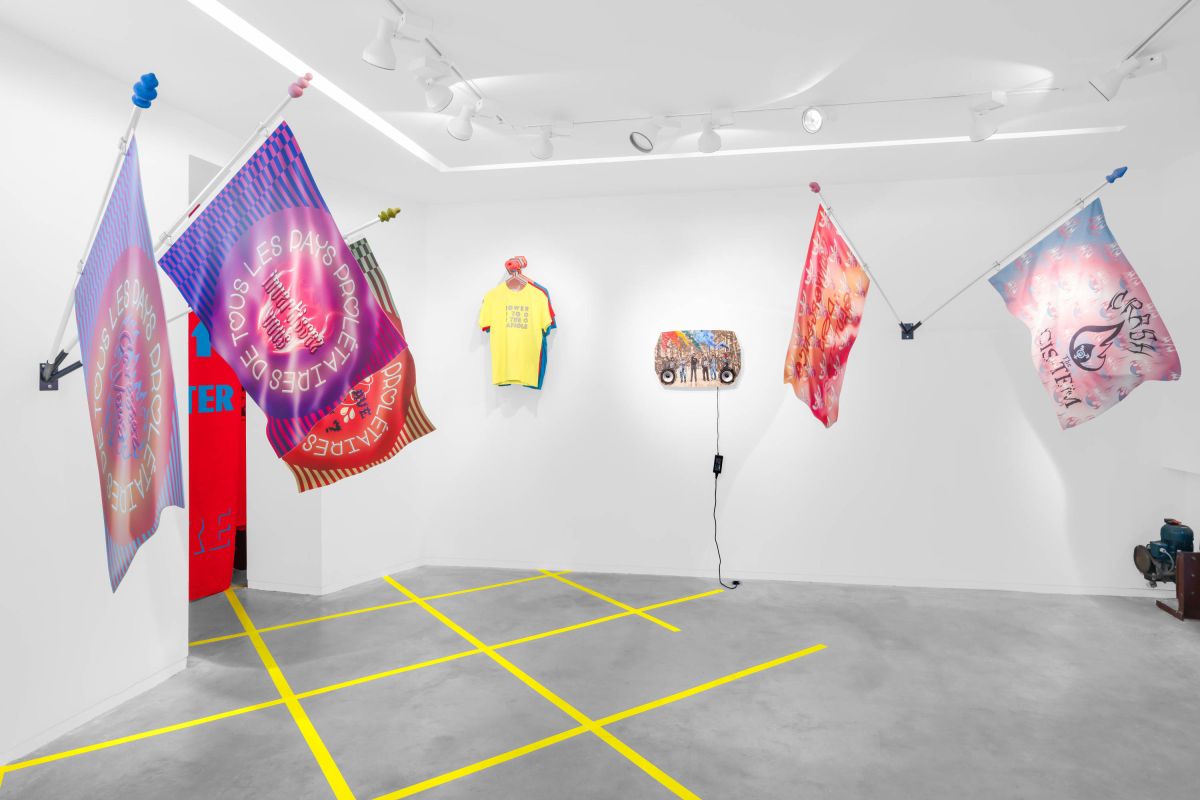
160 x 180 x 210 cm
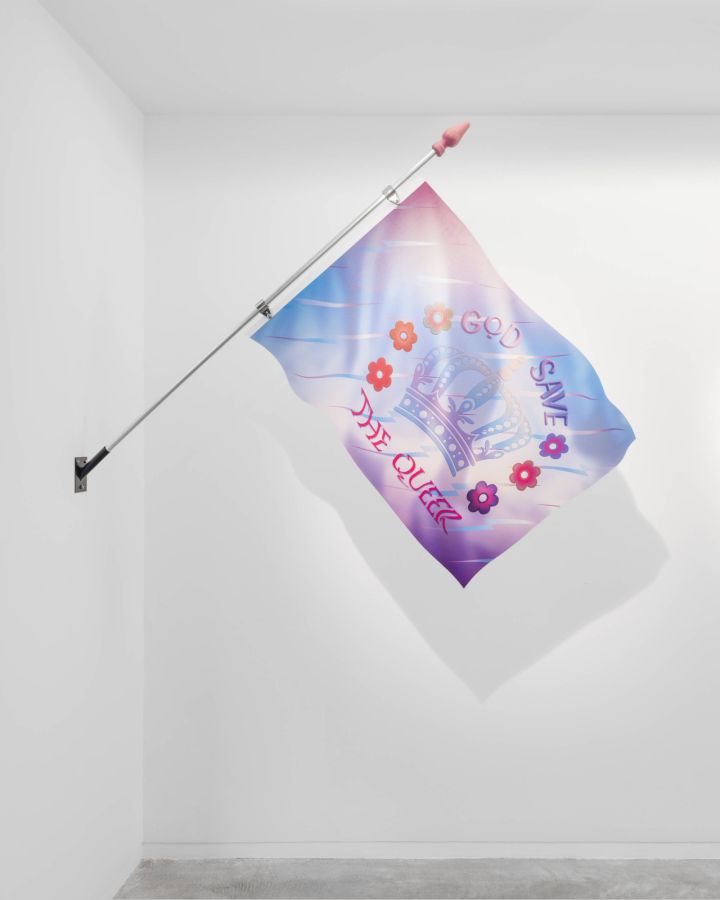
160 x 10 x 210 cm
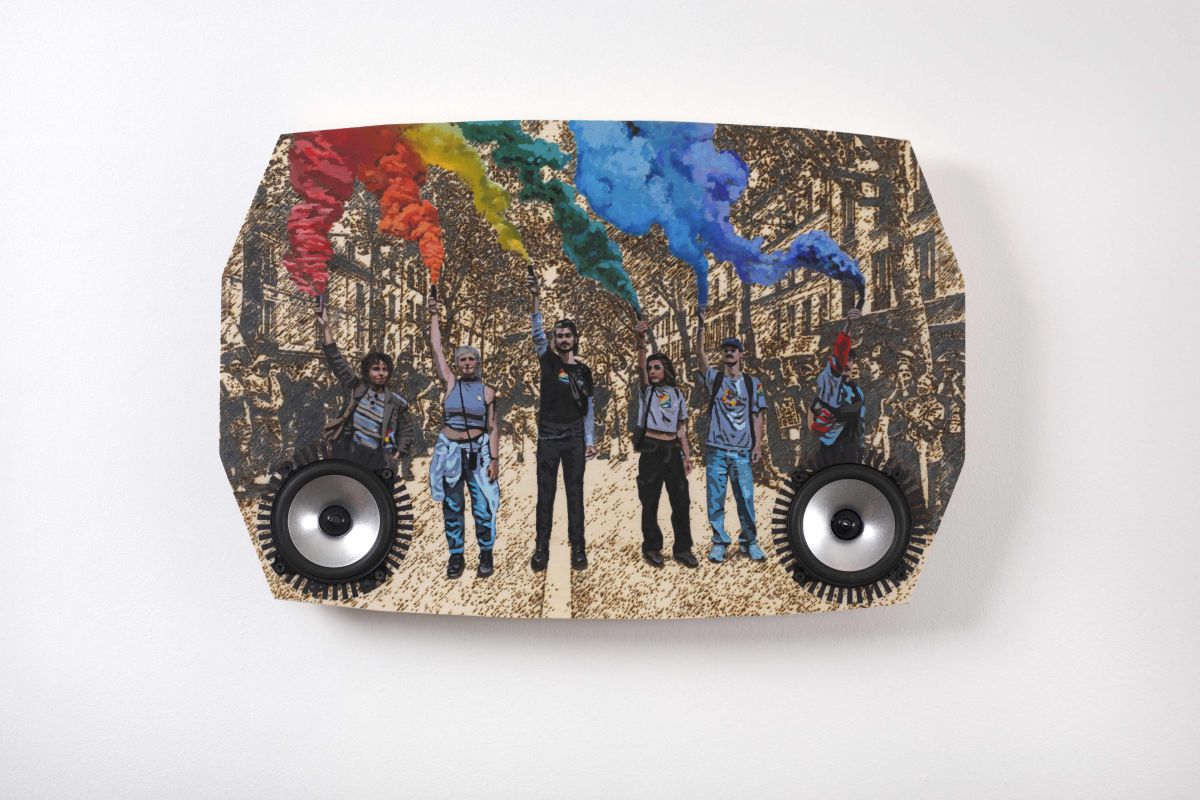
D’après une photo de Hayan Abdallah, 2024.
40 x 60 x 5 cm
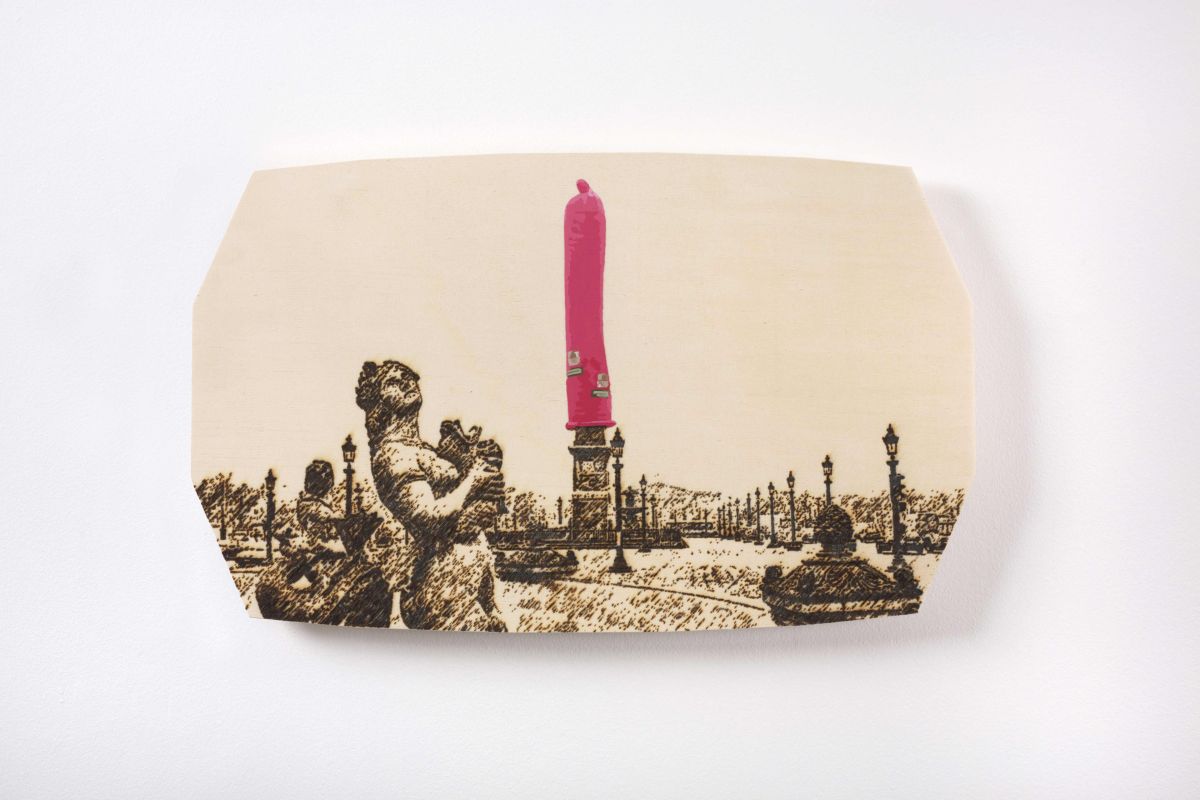
D’après une photo de Gérard Julien, 1993.
34 x 55 x 3 cm
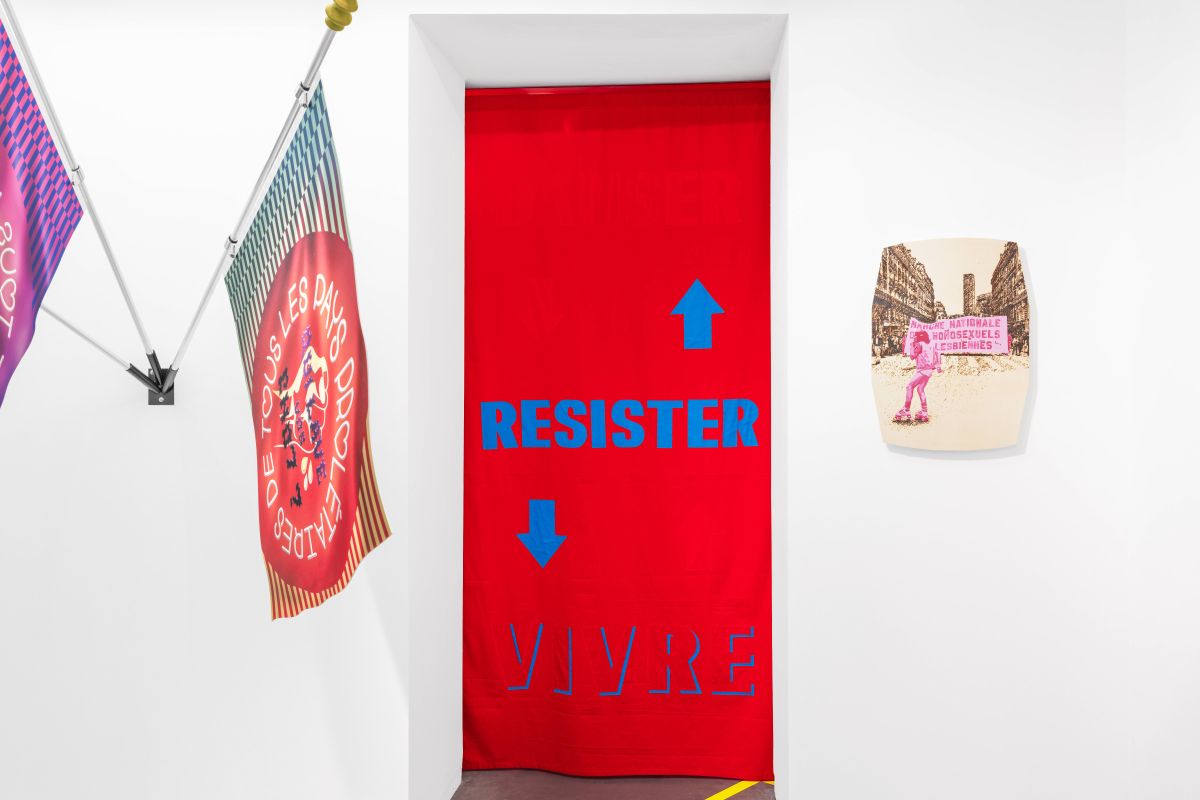
High Energies (Danser, Resister, Vivre), 2025
Tissu, 250 x 130 cm
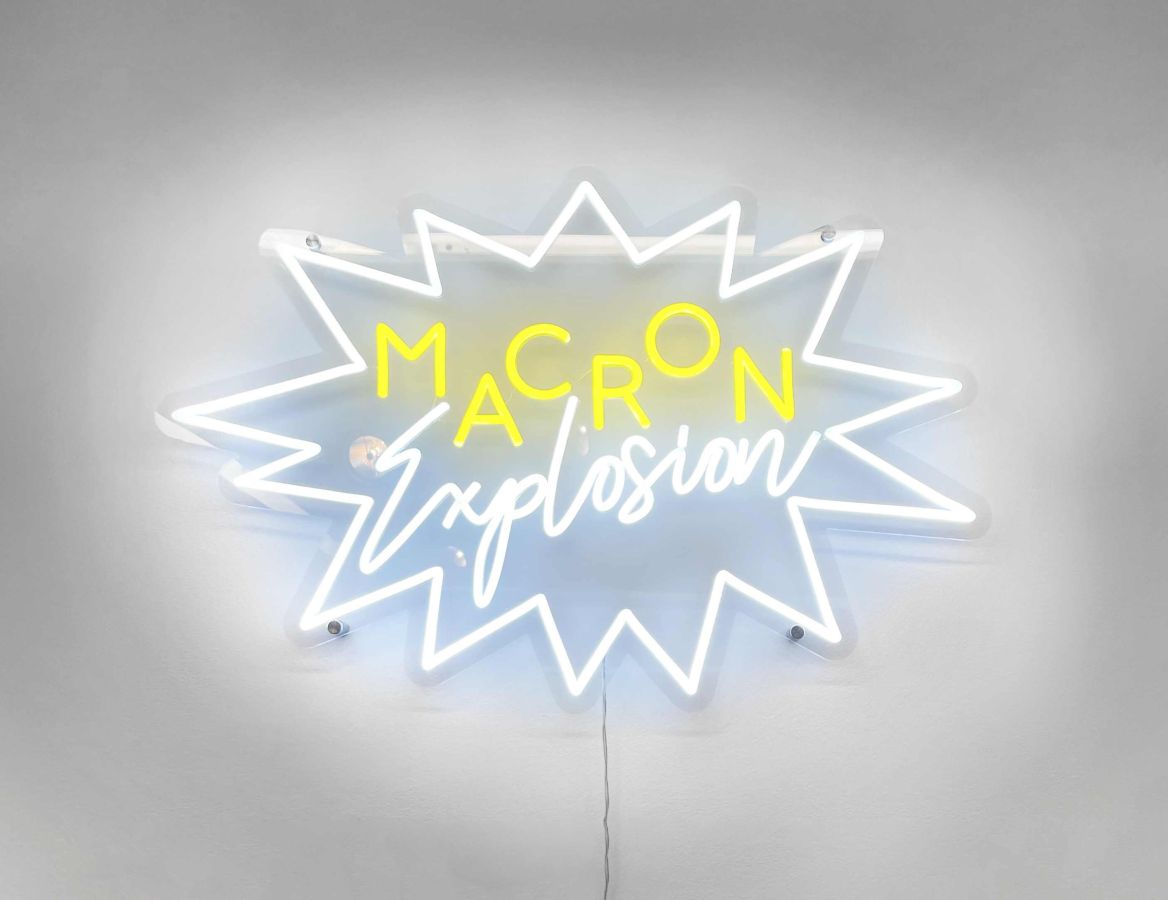
67 x 40 x 3 cm
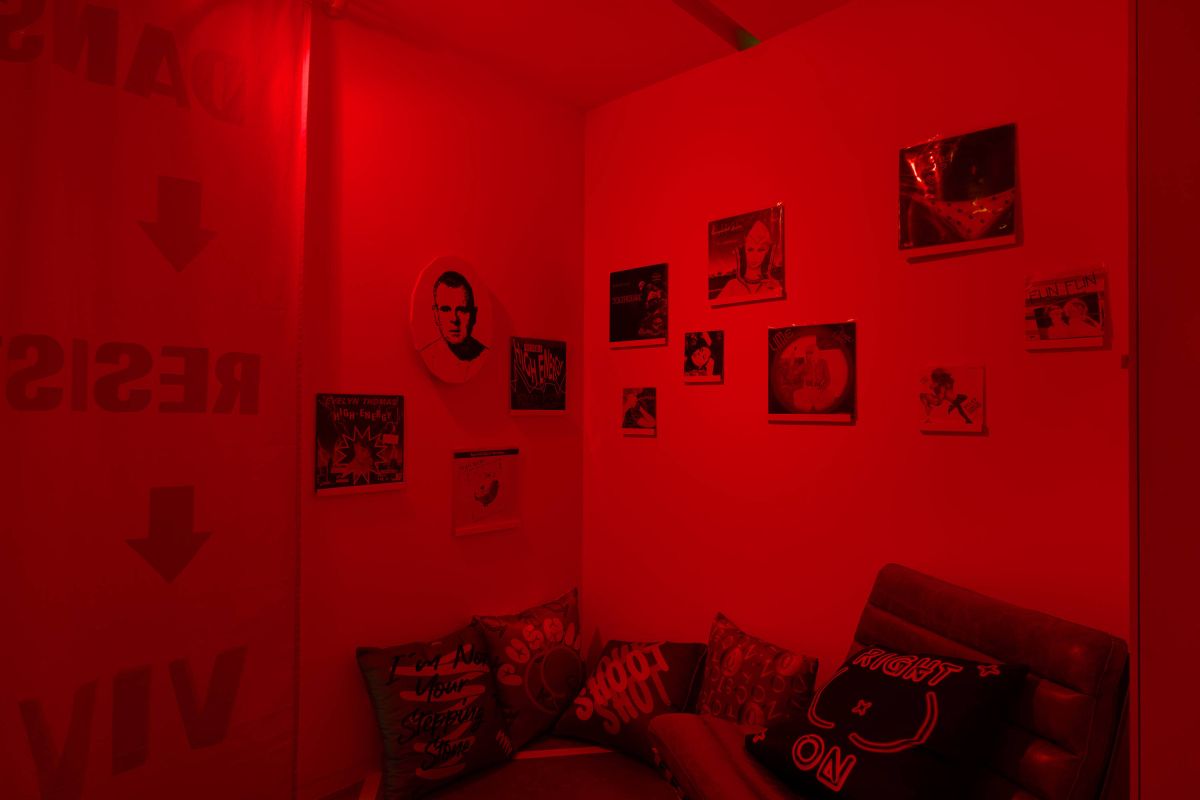
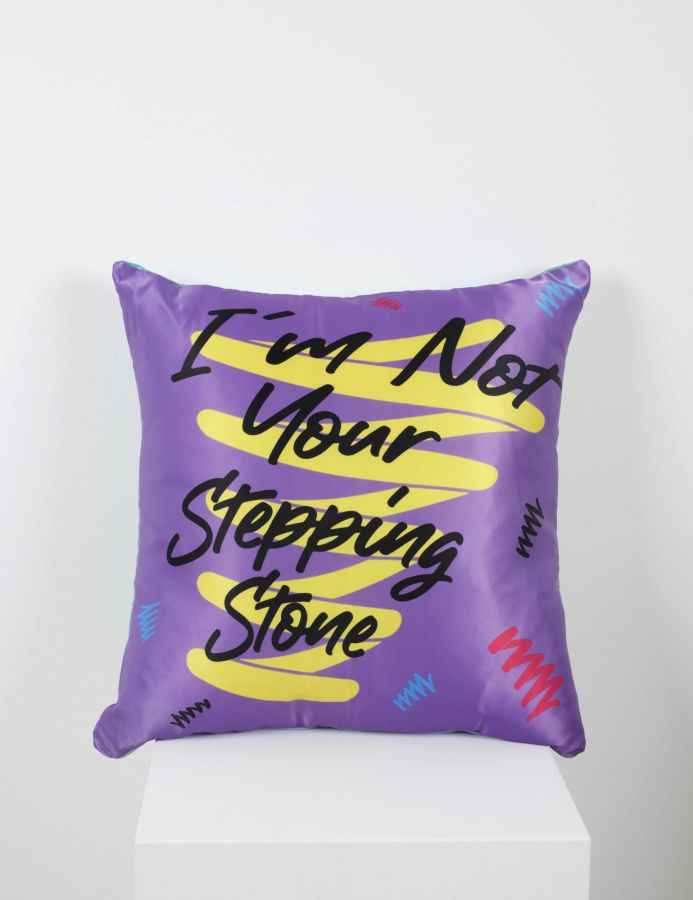
50 x 50 x 10 cm
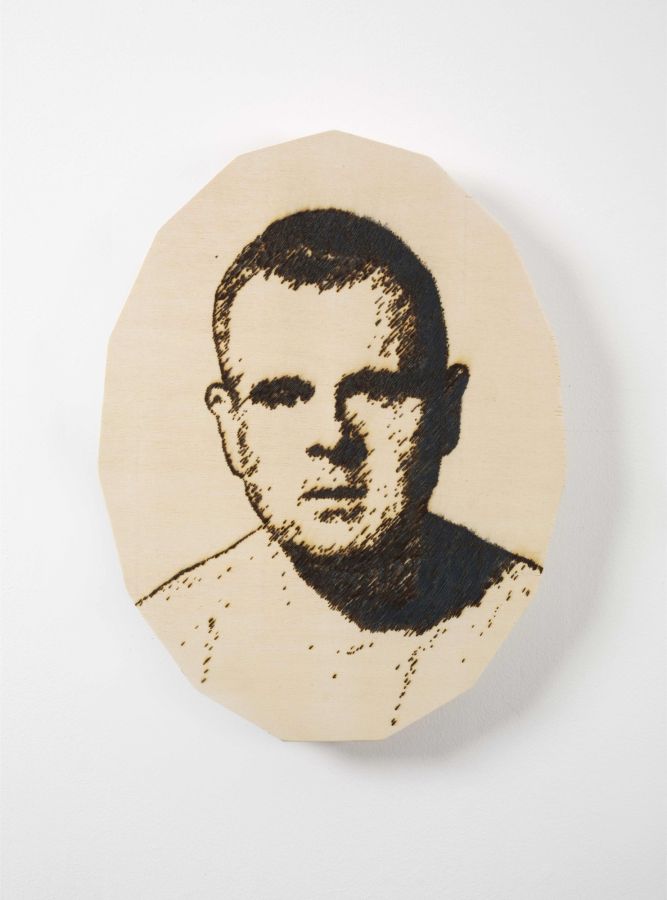
47 x 38 x 3 cm
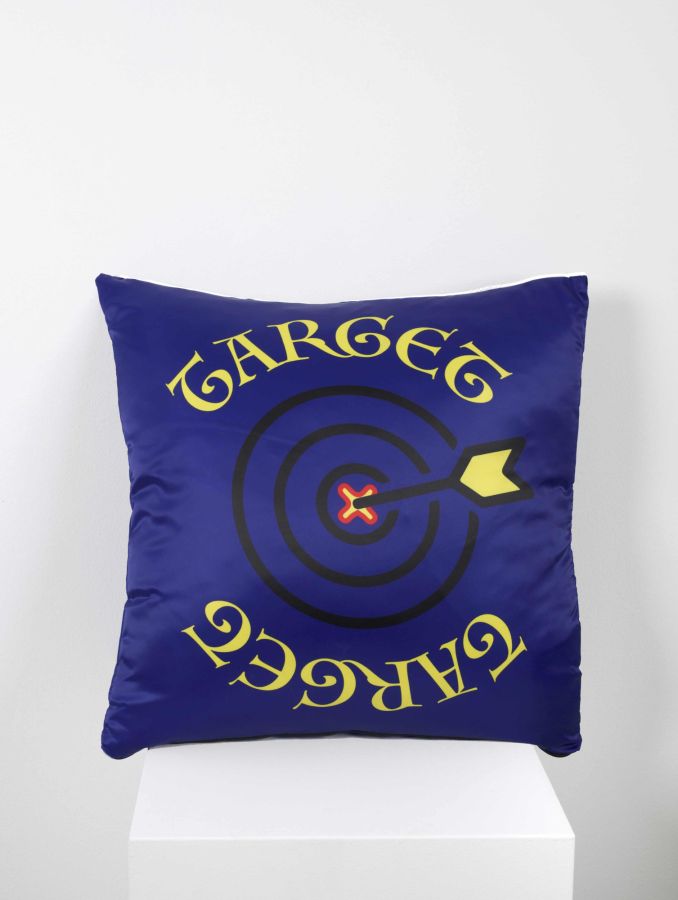
50 x 50 x 10 cm
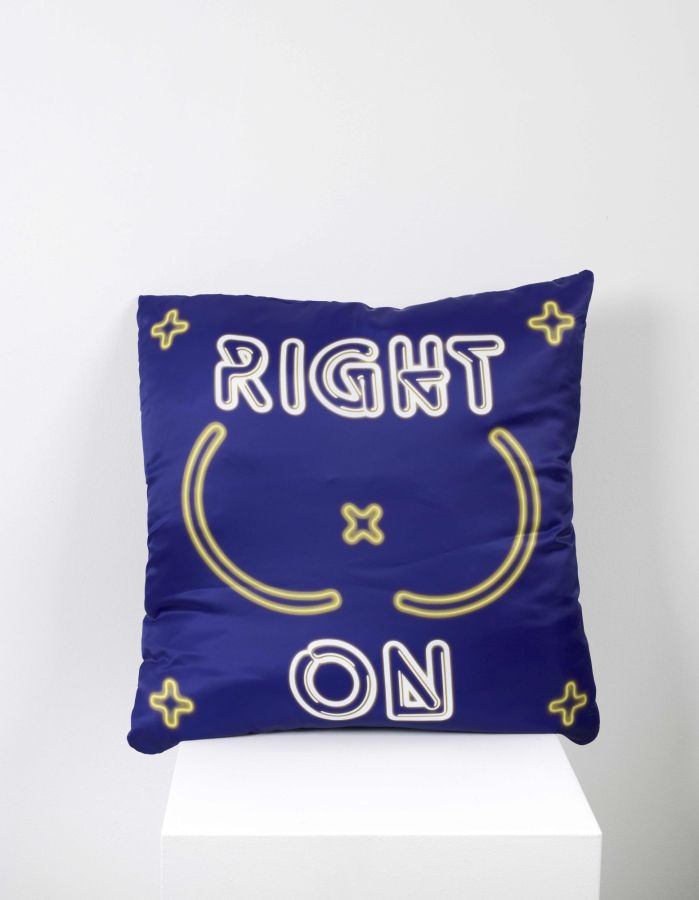
50 x 50 x 10 cm
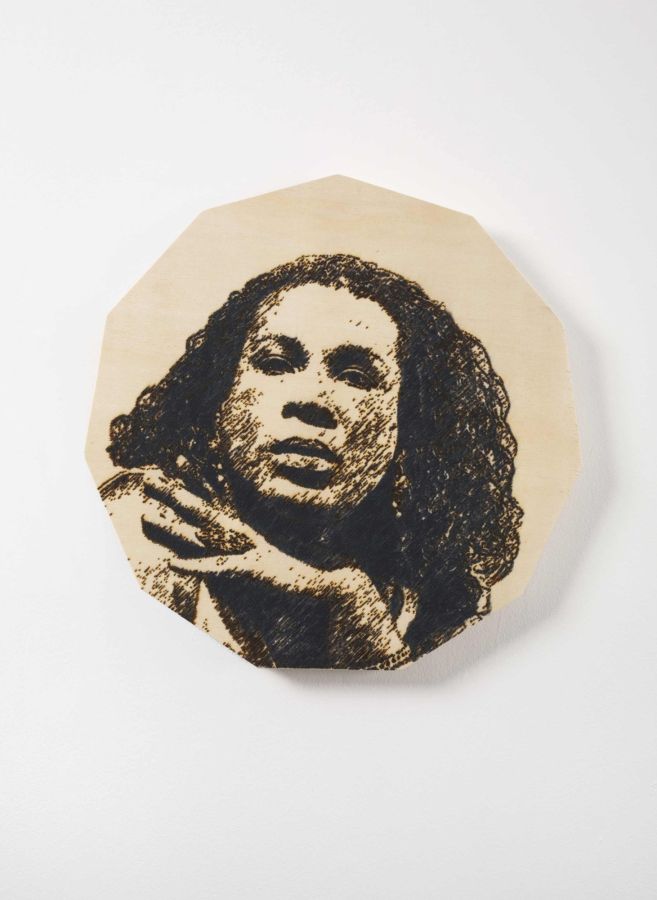
D’après une photo de Eric Blum, 1984
43,5 x 44 x 3 cm
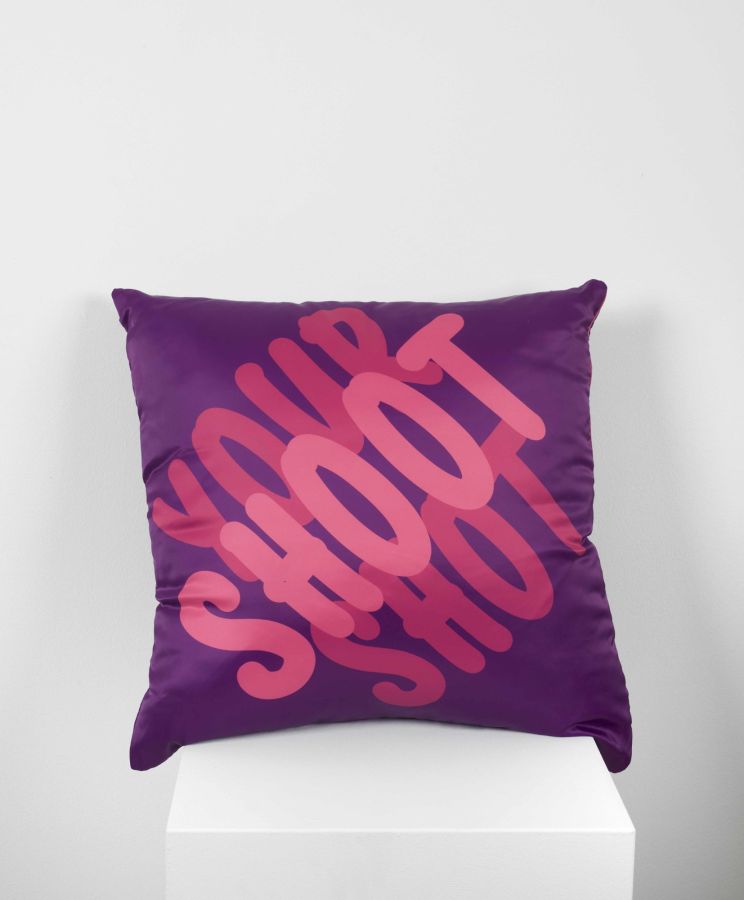
50 x 50 x 10 cm
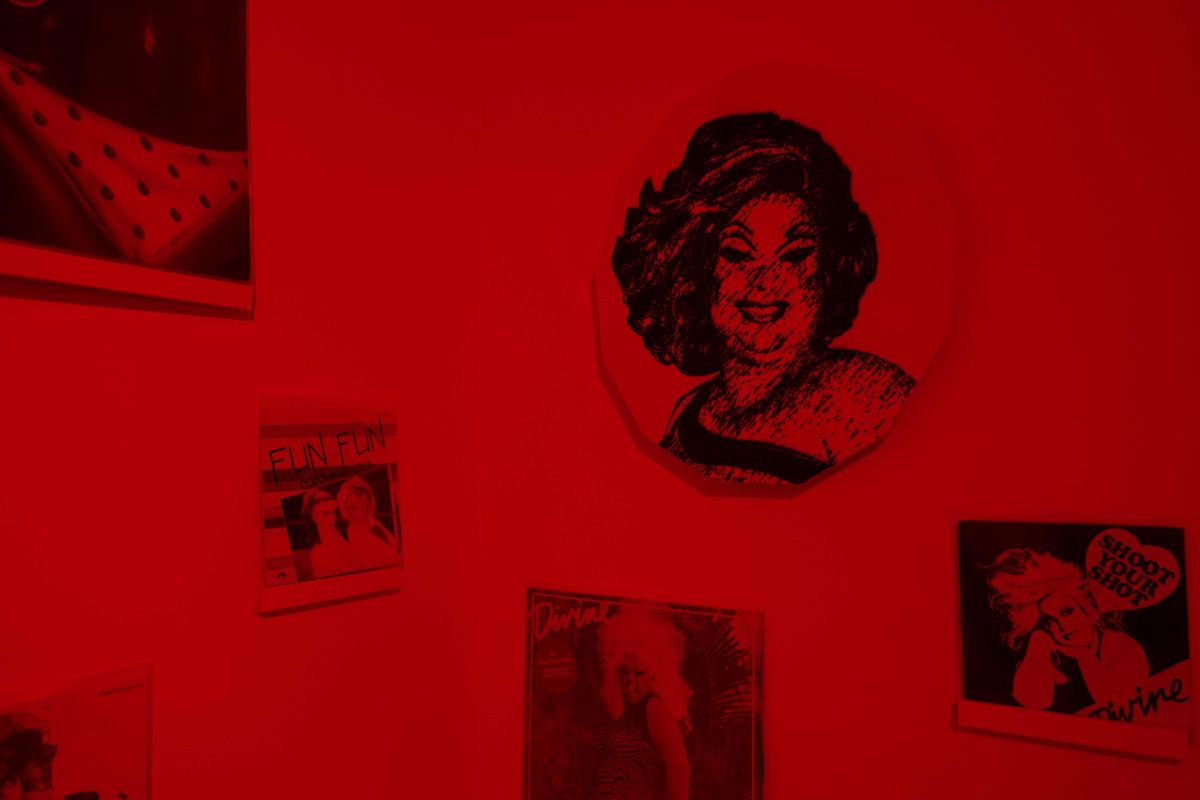
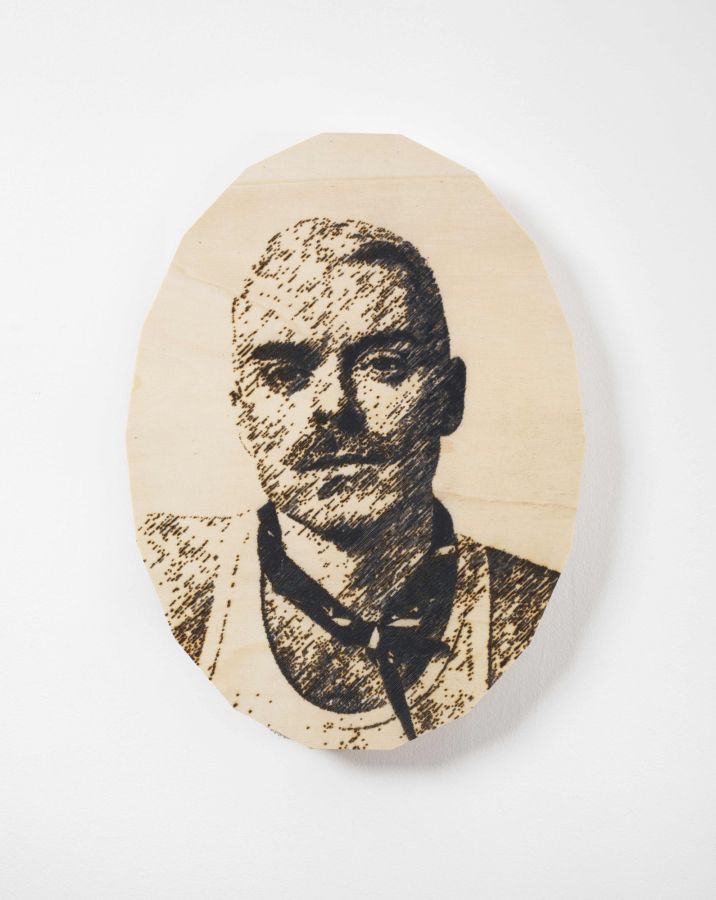
D’après une photo de Charles Moriarty, 2020
47,5 x 35,5 x 3 cm
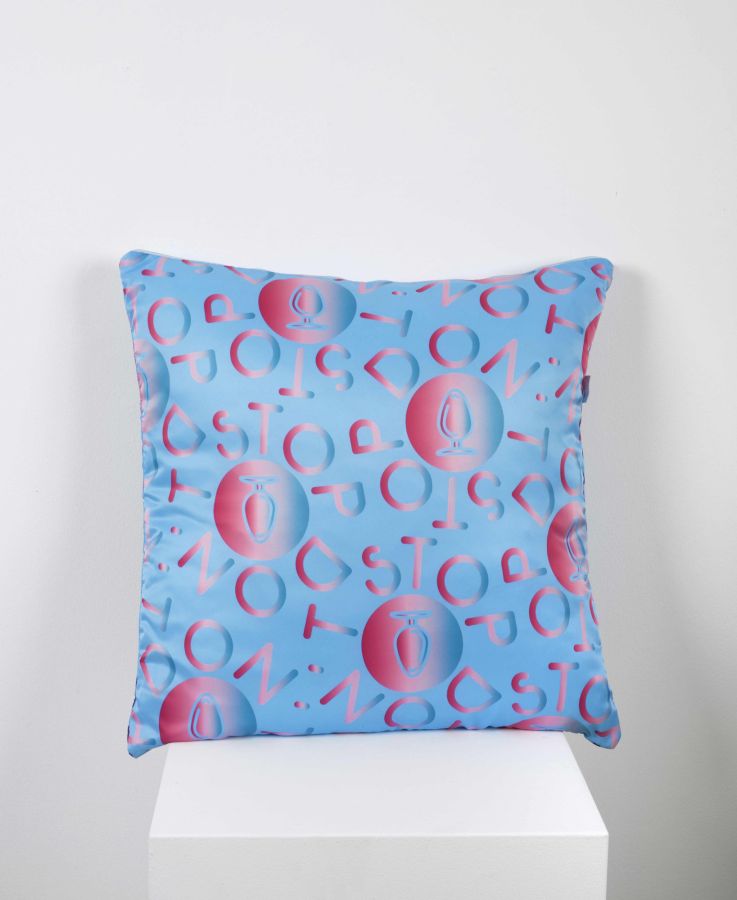
50 x 50 x 10 cm
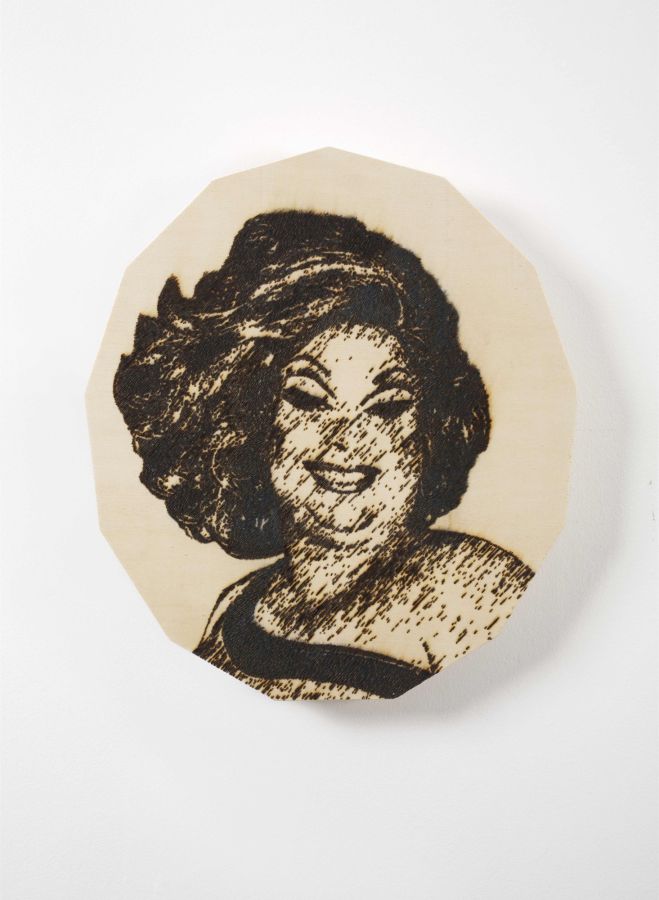
40 x 45 x 3 cm
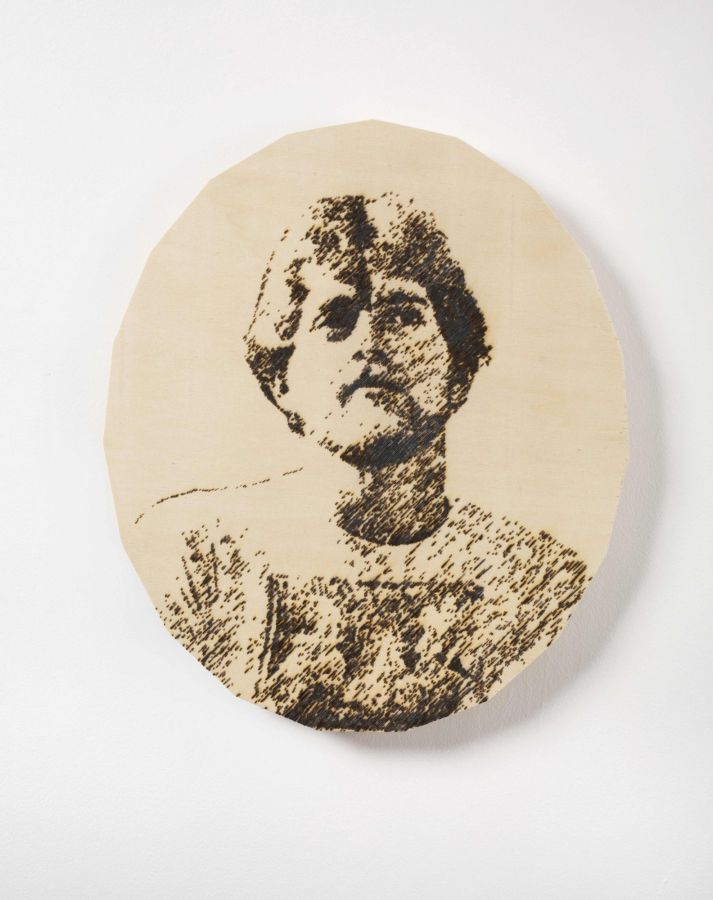
47 x 40,5 x 3 cm
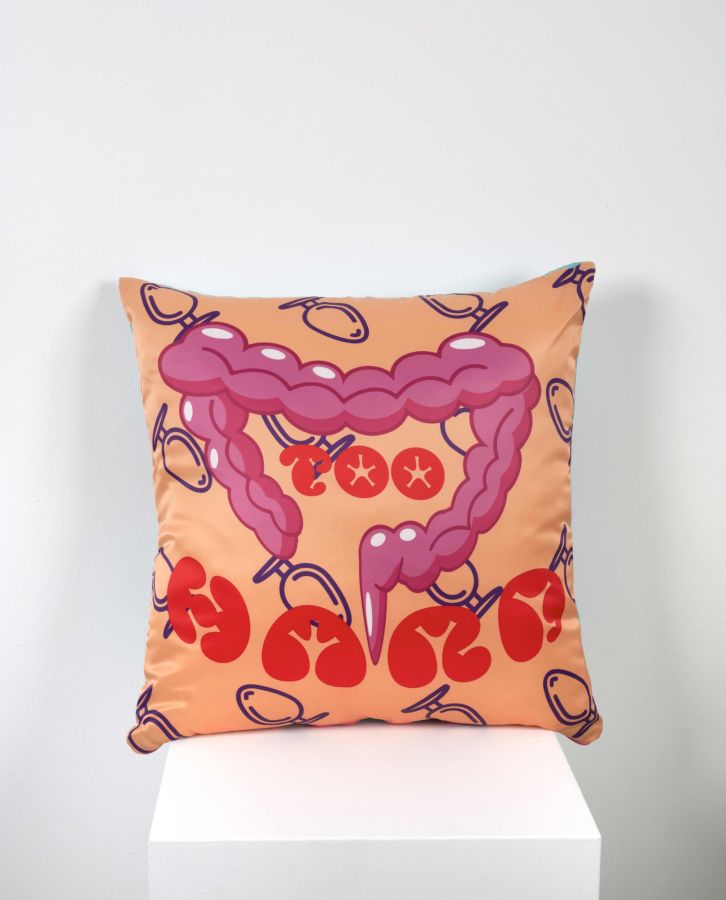
50 x 50 x 10 cm
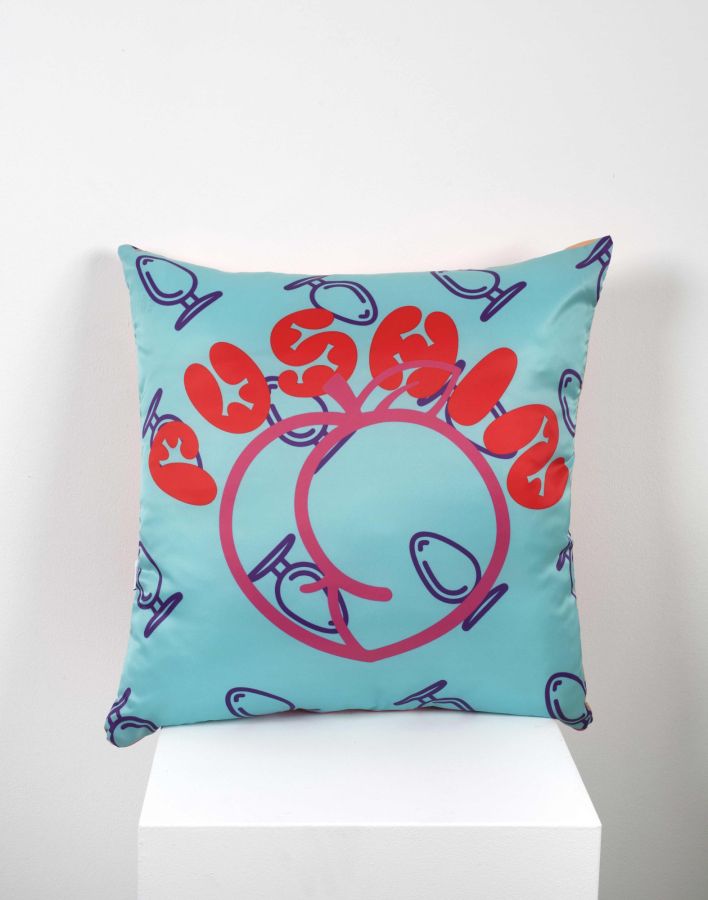
50 x 50 x 10 cm
Photos : Hafid Lhachmi, Bertrand Michau et Tony Regazzoni